Articles

Many patients say, “Doctor, I hardly eat anything, yet I keep gaining weight.” This is not imagination or dishonesty. Weight regulation is governed by hormones, metabolism, sleep, stress, gut health, and muscle mass—not calories alone. Understanding why weight gain occurs despite reduced food intake is essential for effective and sustainable weight management.
Read More
Brain fog” is not a medical diagnosis, yet it is one of the most common complaints heard in clinics today. Patients describe a persistent feeling of mental cloudiness, poor focus, and slowed thinking. While often dismissed as stress or aging, brain fog usually reflects underlying physiological or metabolic imbalance. Understanding the causes of brain fog is the first step toward restoring mental clarity.
Read More
Muscle pain is commonly associated with heavy exercise, injury, or physical strain. However, many patients complain of persistent muscle aches without any clear trigger. This often leads to confusion, anxiety, and unnecessary investigations. Unexplained muscle aches usually reflect metabolic, hormonal, inflammatory, or neurological imbalance, rather than structural muscle damage.
Read More
Feeling dizzy or lightheaded when standing up is a very common complaint. Many patients fear heart or brain disease, yet in most cases the cause is a temporary drop in blood pressure or impaired autonomic response, not a serious illness. Understanding this symptom helps prevent unnecessary anxiety and guides appropriate care.
Read More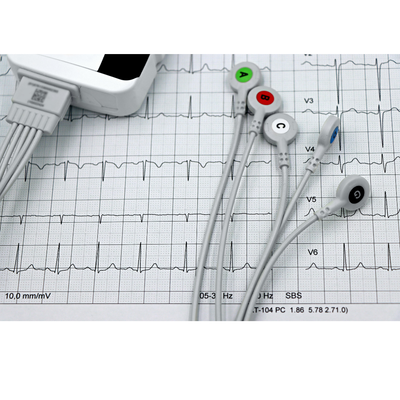
A sudden racing heart can be frightening • Many patients experience palpitations without exertion or obvious cause. In most cases, this reflects autonomic imbalance, stress, metabolic factors, or benign rhythm disturbances Understanding the reason helps reduce fear and prevents unnecessary testing
Read More
• Headaches are among the most common complaints in clinics worldwide • Not all headaches indicate serious disease, but frequent headaches affect quality of life • Understanding triggers, underlying causes, and preventive strategies is key to relief.
Read More
Feeling tired all the time is one of the most common complaints worldwide • Fatigue is a symptom, not a disease • It may originate from physical, psychological, metabolic, or lifestyle causes • Proper understanding prevents unnecessary anxiety and over-investigation
Read More
Shortness of breath is a distressing and common symptom • It can range from mild awareness of breathing to severe air hunger • Breathlessness may arise from lungs, heart, blood, muscles, or anxiety • Early understanding helps prevent panic and delayed diagnosis
Read More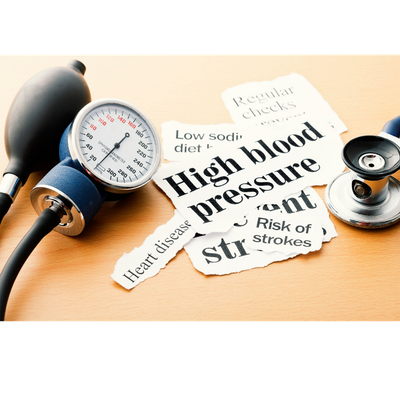
High blood pressure is often called a “silent killer” Many patients feel normal despite persistently elevated readings Long-term uncontrolled hypertension damages the heart, brain, kidneys, and eyes Early understanding leads to better control and prevention
Read More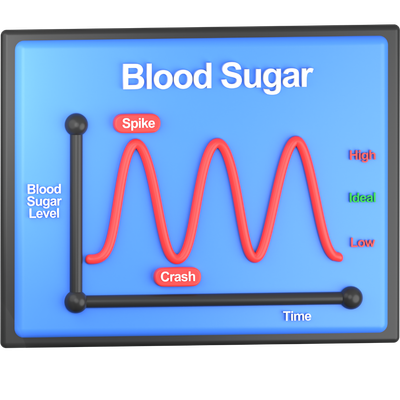
Rising blood sugar often develops silently over years. Many patients are unaware until complications begin. Early recognition of prediabetes prevents progression to diabetes. Understanding mechanisms empowers lifestyle-based prevention.
Read More
Sleep is a biological necessity, not a luxury • Poor sleep affects mood, immunity, metabolism, and heart health • Insomnia is increasingly common in modern lifestyles • Early understanding prevents long-term physical and mental consequences
Read More
• Digestive discomfort is one of the most frequent reasons for clinic visits • Indigestion and bloating are symptoms, not diseases • In most people, the cause is functional and reversible • Understanding the digestive process reduces fear and over-medication
Read More