Why You Have Poor Sleep — A Physician Explains Insomnia
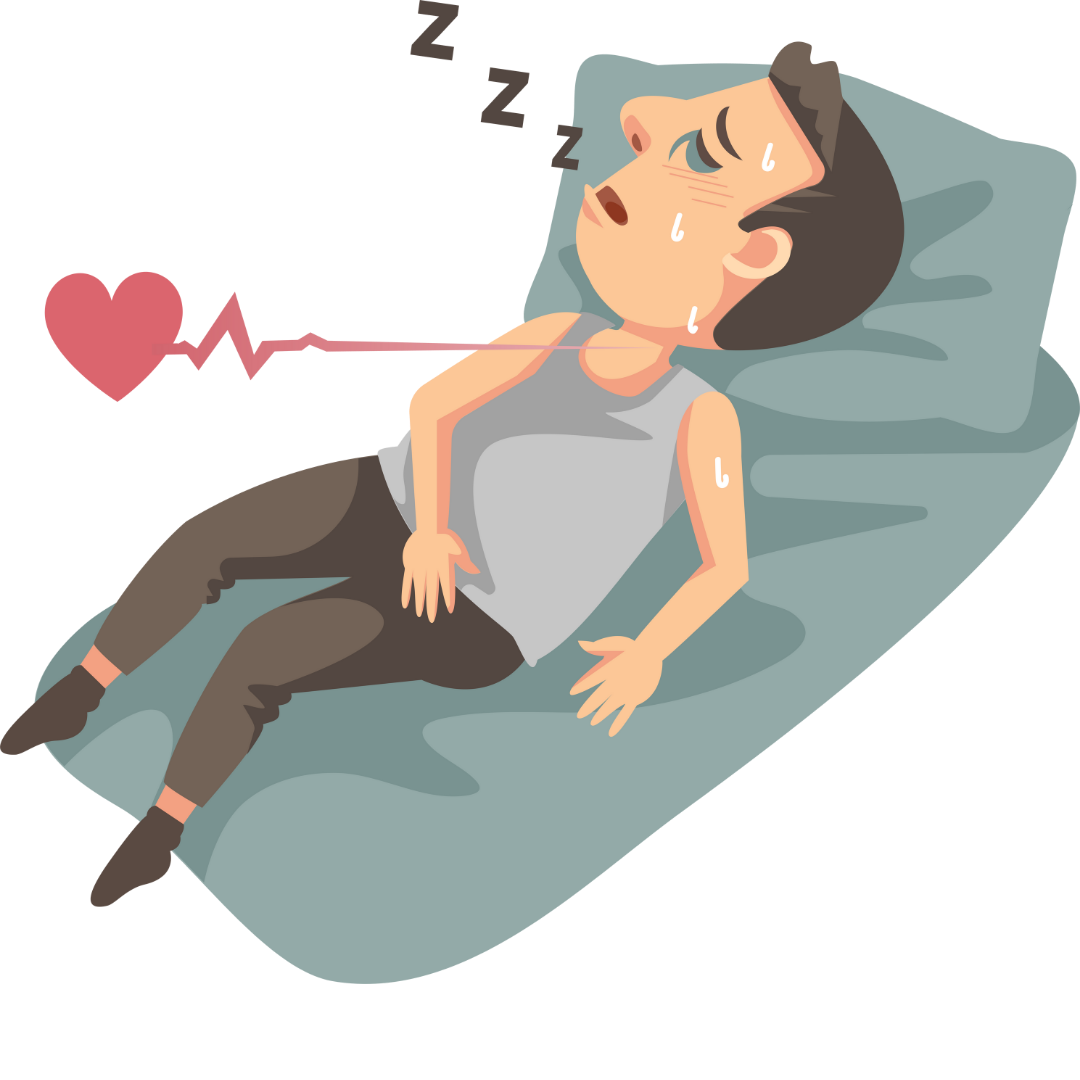
• Sleep is a biological necessity, not a luxury
• Poor sleep affects mood, immunity, metabolism, and heart health
• Insomnia is increasingly common in modern lifestyles
• Early understanding prevents long-term physical and mental consequences
General Readers
You may be experiencing insomnia if:
• You struggle to fall asleep
• You wake up frequently at night
• You wake too early and cannot return to sleep
• You feel unrefreshed despite adequate sleep time
Common causes:
• Stress and anxiety
• Excess screen exposure at night
• Caffeine or nicotine use
• Irregular sleep schedule
• Medical conditions
Medical Students
Types of insomnia:
• Acute insomnia
• Lasts days to weeks
• Chronic insomnia
• Occurs ≥3 nights per week for ≥3 months
Pathophysiological contributors:
• Hyperarousal of CNS
• Dysregulated circadian rhythm
• Increased sympathetic activity
• Reduced melatonin secretion
Young Doctors
Clinical approach:
• Evaluate sleep habits first
• Screen for:
• Anxiety and depression
• Sleep apnea
• Restless leg syndrome
• Review medications
• Avoid immediate dependence on hypnotics
Non-pharmacological therapy is first-line.
General Practitioners
Common presentations:
• Stress-related insomnia
• Poor sleep hygiene
• Shift-work sleep disorder
• Chronic pain disrupting sleep
Management principles:
• Educate about sleep hygiene
• Treat underlying cause
• Use medications cautiously
• Regular follow-up
Pathophysiology
Mechanisms involved:
• Increased cortical arousal
• Circadian rhythm misalignment
• Elevated cortisol levels
• Reduced homeostatic sleep drive
• Neurotransmitter imbalance
Insomnia reflects brain overactivity, not weakness.
When to See the Doctor
Consult a physician if:
• Sleep problems persist beyond 2–3 weeks
• Daytime functioning is impaired
• There is loud snoring or breathing pauses
• Insomnia is associated with:
• Depression
• Anxiety
• Weight gain or hypertension
Insomnia is common, treatable, and reversible. Addressing lifestyle factors and underlying causes restores natural sleep and improves overall health.
Dos and Don’ts
DO
• Maintain a fixed sleep schedule
• Limit screen exposure at night
• Exercise regularly
• Create a calm sleep environment
• Practice relaxation techniques
DON’T
• Use bed for work or screens
• Consume caffeine late in the day
• Self-medicate sleeping pills
• Nap excessively
• Worry about sleep loss
FAQs
• Is insomnia a mental illness?
• No, it is often stress-related
• Can poor sleep affect blood pressure?
• Yes, significantly
• Are sleeping pills safe long-term?
• Usually not without supervision
• Does exercise help insomnia?
• Yes, when done earlier in the day
• Can insomnia cause fatigue and headaches?
• Yes, very commonly


By Dr. Mohammed Tanweer Khan
A Proactive/Holistic Physician
Founder of WithinTheBody.com