Why Your Blood Pressure Stays High — A Physician Explains Hypertension
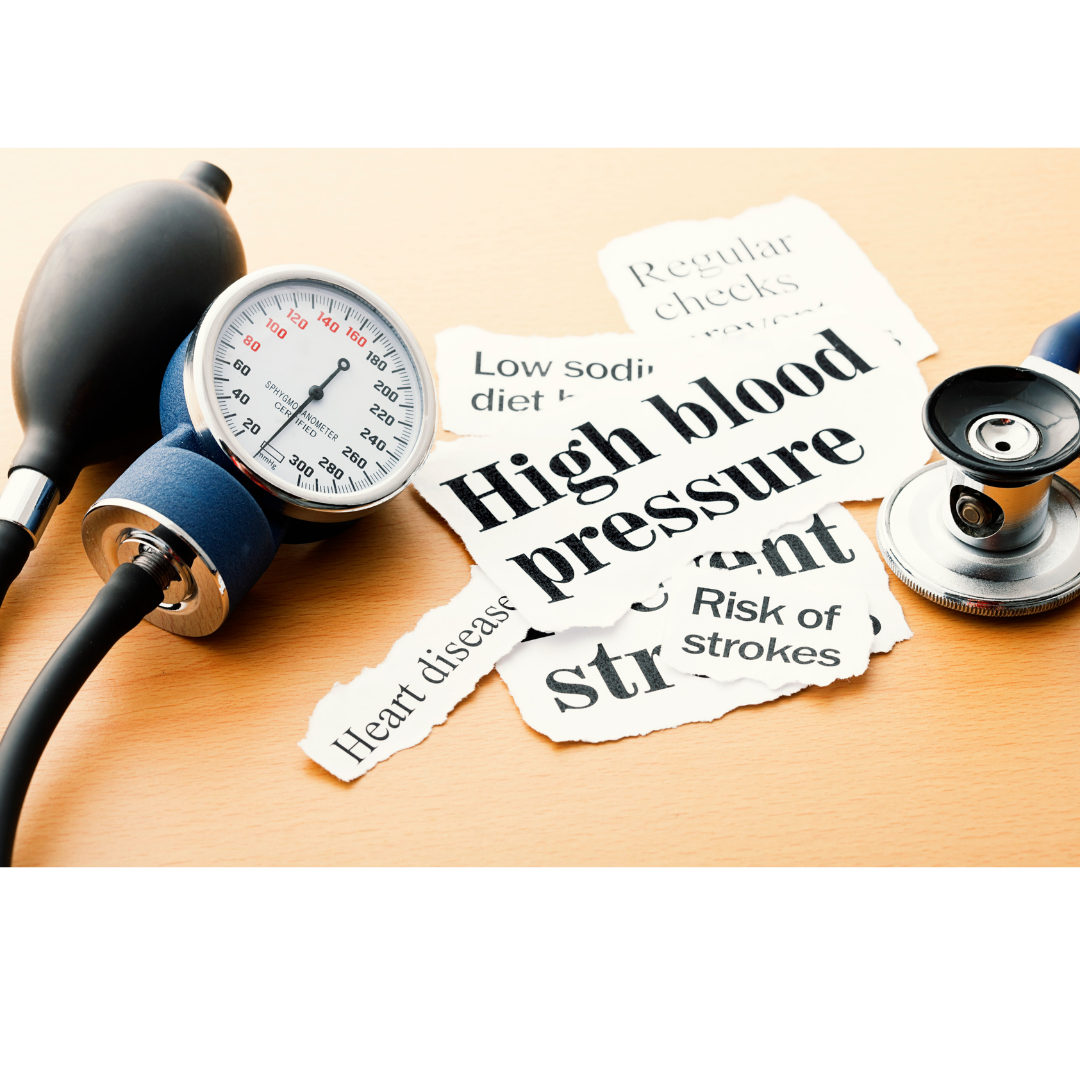

High blood pressure is often called a “silent killer”
Many patients feel normal despite persistently elevated readings
Long-term uncontrolled hypertension damages the heart, brain, kidneys, and eyes
Early understanding leads to better control and prevention
General Readers
You may have high blood pressure if:
• Readings remain above normal on repeated checks
• You experience:
• Headaches
• Dizziness
• Fatigue
• Palpitations
• No symptoms at all
Common contributing factors:
• Excess salt intake
• Stress and anxiety
• Lack of physical activity
• Weight gain
• Family history
• Poor sleep
Medical Students
Classification to remember:
• Primary (essential) hypertension
• Accounts for ~90% of cases
• Multifactorial origin
• Secondary hypertension
• Renal disease
• Endocrine disorders
• Medications
Pathogenic contributors:
• Increased sympathetic tone
• Renin-angiotensin-aldosterone system activation
• Endothelial dysfunction
• Sodium retention
Young Doctors
Clinical approach:
• Confirm diagnosis with repeated measurements
• Rule out white-coat hypertension
• Assess cardiovascular risk
• Evaluate for target-organ damage
Initial evaluation:
• Blood pressure in both arms
• Urine analysis
• Serum creatinine
• Lipid profile
• ECG
Avoid rushing to over-medication without lifestyle intervention.
General Practitioners
Common patterns in practice:
• Poor adherence to medication
• Excess dietary salt
• Stress-related BP spikes
• Inadequate follow-up
Management principles:
• Lifestyle modification first
• Patient education
• Simplified drug regimens
• Regular monitoring
Pathophysiology
Mechanisms leading to sustained hypertension:
• Increased peripheral vascular resistance
• Arterial stiffness
• Neurohormonal overactivity
• Volume expansion
• Endothelial nitric oxide deficiency
These changes gradually become self-perpetuating.
When to See the Doctor
Seek medical advice if:
• BP remains elevated on repeated checks
• You experience:
• Severe headache
• Chest pain
• Visual changes
• Breathlessness
• BP readings exceed 180/120 mmHg
• You are newly diagnosed
Hypertension is common, manageable, and preventable. Control depends on awareness, lifestyle discipline, and appropriate medication. Early action protects vital organs and improves long-term health.
Dos and Don’ts
DO
• Reduce salt intake
• Exercise regularly
• Monitor BP at home
• Take medications consistently
• Manage stress
DON’T
• Skip prescribed drugs
• Rely on symptoms alone
• Overuse painkillers
• Ignore follow-up visits
• Assume BP is “normal for age”
FAQs
• Can hypertension exist without symptoms?
• Yes, very commonly
• Is lifelong medication always required?
• Not always; lifestyle control may reduce need
• Does stress raise blood pressure?
• Yes, both acutely and chronically
• Is home BP monitoring reliable?
• Yes, when done correctly
• Can diet alone control BP?
• In early stages, often yes


By Dr. Mohammed Tanweer Khan
A Proactive/Holistic Physician
Founder of WithinTheBody.com