Why Your Muscles Ache Without Exercise or Injury — A Physician Explains
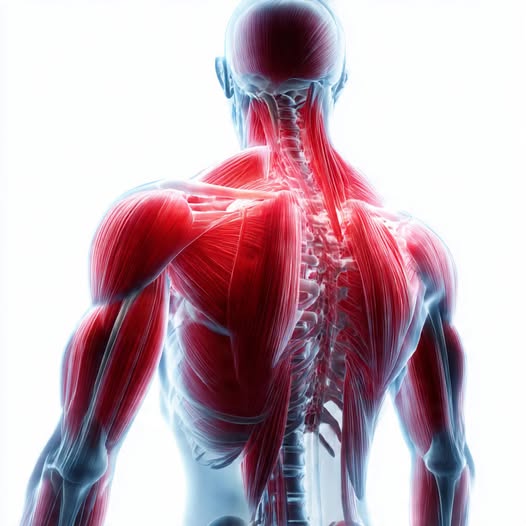

Muscle pain is commonly associated with heavy exercise, injury, or physical strain. However, many patients complain of persistent muscle aches without any clear trigger. This often leads to confusion, anxiety, and unnecessary investigations.
Unexplained muscle aches usually reflect metabolic, hormonal, inflammatory, or neurological imbalance, rather than structural muscle damage.
General Readers
Muscle aches without exercise may feel like:
• Deep body soreness
• Muscle stiffness
• Tenderness to touch
• Burning or heavy sensation
• Morning body aches
These symptoms may fluctuate during the day and often worsen with stress, poor sleep, or fatigue.
Medical Students
Key causes include:
• Electrolyte imbalance
• Vitamin D deficiency
• Hypothyroidism
• Statin-induced myopathy
• Fibromyalgia
• Chronic inflammation
Pathology often lies in muscle energy metabolism and neuromuscular signaling, not muscle fibers themselves.
Young Doctors
Patients may present with:
• Diffuse myalgia
• Normal CK levels
• Normal imaging
• High symptom burden
Clinical approach:
• Review medication history
• Assess sleep and stress
• Screen endocrine and nutritional causes
• Avoid over-testing early
• Provide reassurance and explanation
Understanding the cause reduces symptom amplification.
General Practitioners
Common overlooked causes:
• Vitamin D deficiency
• Low magnesium or potassium
• Thyroid disorders
• Chronic stress
• Poor sleep
• Sedentary lifestyle
Initial tests may include:
• Serum vitamin D
• TSH
• Electrolytes
• CK (selectively)
Most cases respond to simple corrective measures.
Pathophysiology
1. Impaired Muscle Energy Production
Mitochondrial inefficiency causes pain and fatigue.
2. Electrolyte Imbalance
Low magnesium and potassium increase muscle excitability.
3. Inflammatory Mediators
Cytokines sensitize pain receptors.
4. Hormonal Deficiency
Thyroid and vitamin D deficiency weaken muscle function.
5. Central Sensitization
Altered pain perception amplifies normal signals.
When to See the Doctor
Seek medical attention if:
Muscle pain persists >3 weeks
Weakness accompanies pain
Dark urine or severe cramps occur
Fever or weight loss is present
Pain interferes with daily life
Timely evaluation prevents complications.
Unexplained muscle aches are common and often reversible. They reflect internal imbalance rather than muscle damage. Identifying the underlying cause restores comfort, strength, and confidence.
Pain is the body’s message — not always an injury.
Dos and Don’ts
DO
✔ Stay hydrated
✔ Maintain electrolyte balance
✔ Correct vitamin deficiencies
✔ Stretch gently
✔ Sleep adequately
✔ Manage stress
DON’T
✘ Ignore persistent pain
✘ Overuse painkillers
✘ Self-stop prescribed medications
✘ Assume pain is aging
✘ Avoid movement completely
FAQs
Q1. Can vitamin D deficiency cause muscle pain?
Yes. It is a very common cause.
Q2. Do statins cause muscle aches?
Yes, in some patients.
Q3. Is muscle pain always inflammation?
No. Metabolic causes are common.
Q4. Can stress cause muscle pain?
Yes. Chronic tension sensitizes muscles.
Q5. How long does recovery take?
Improvement often occurs within weeks once corrected.


By Dr. Mohammed Tanweer Khan
A Proactive/Holistic Physician
Founder of WithinTheBody.com