Why Your Heart Races Without Exercise — A Physician Explains
• A sudden racing heart can be frightening
• Many patients experience palpitations without exertion or obvious cause
• In most cases, this reflects autonomic imbalance, stress, metabolic factors, or benign rhythm disturbances
• Understanding the reason helps reduce fear and prevents unnecessary testing
General Readers
You may notice:
• Rapid heartbeat at rest
• Thumping or pounding sensation in chest
• Awareness of heartbeat while lying down
• Sudden episodes lasting minutes
• Symptoms worsening with stress or anxiety
Common non-dangerous triggers:
• Emotional stress
• Excess caffeine or energy drinks
• Poor sleep
• Dehydration
• Anxiety or panic
• Fever or illness
Medical Students
Important considerations:
• Sinus tachycardia is the most common cause
• Autonomic nervous system dysregulation plays a central role
• Increased sympathetic tone raises heart rate
• Benign ectopic beats may be perceived as racing
Differential diagnoses include:
• Anxiety-related tachycardia
• Postural tachycardia syndrome (POTS)
• Anemia
• Thyrotoxicosis
• Electrolyte imbalance
• Supraventricular tachycardia (SVT)
Young Doctors
Clinical approach:
• Take a detailed symptom history
• Ask about:
• Onset and duration
• Triggers
• Associated dizziness or chest pain
• Review caffeine, nicotine, and stimulant use
• Check hydration status
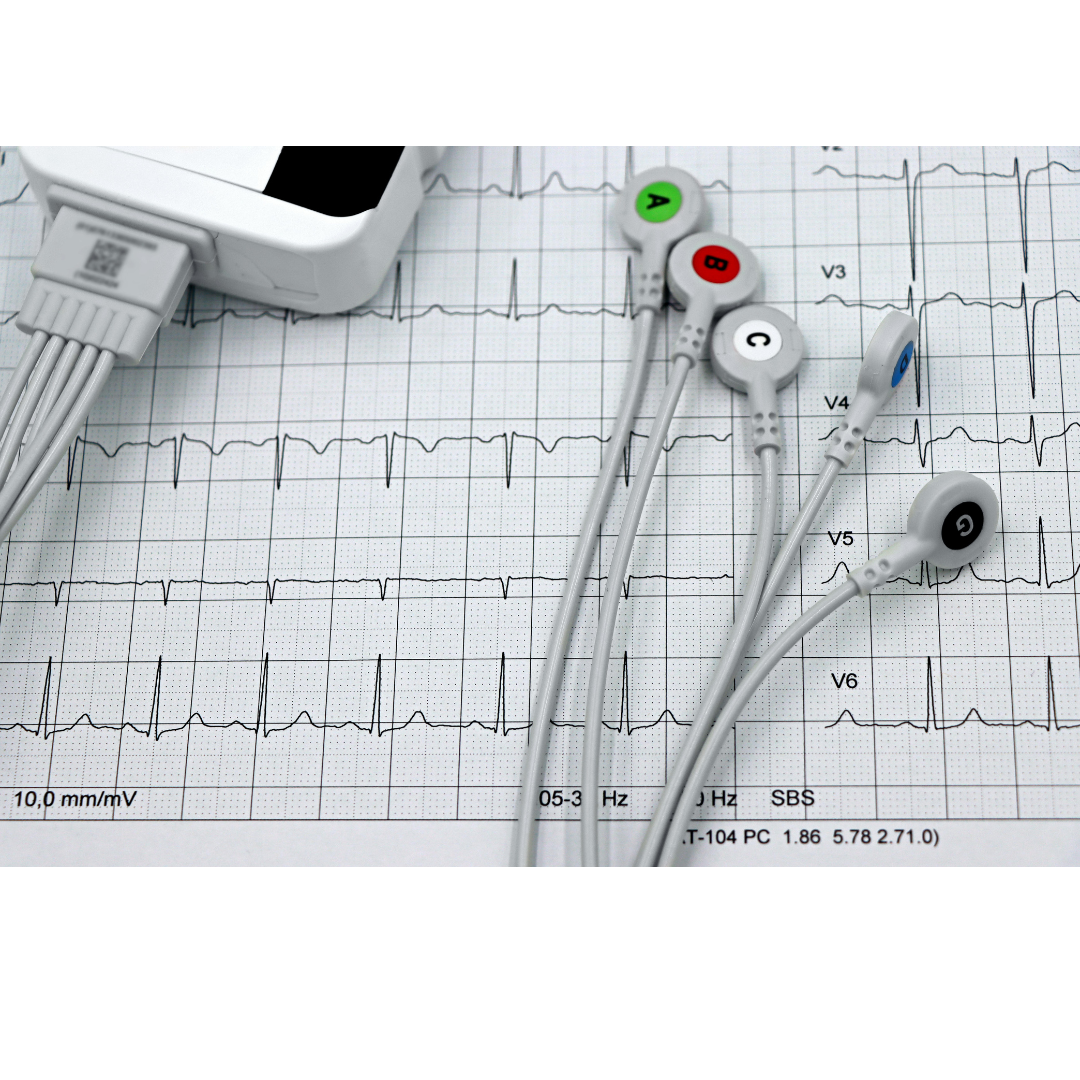
• Perform resting ECG
• Avoid premature labeling as arrhythmia
Reassurance is often as important as medication.
General Practitioners
Common contributors seen in practice:
• Anxiety disorders
• Poor sleep quality
• Iron deficiency anemia
• Hyperthyroidism
• Dehydration
• Overuse of beta-agonists or decongestants
Initial evaluation may include:
• Resting ECG
• CBC
• Thyroid function tests
• Electrolytes
• Blood pressure and pulse monitoring
Most cases improve with lifestyle correction.
Pathophysiology
• Increased sympathetic nervous system activity
• Reduced parasympathetic (vagal) tone
• Elevated catecholamines
• Hypovolemia reducing preload
• Hormonal excess (thyroid hormones)
• Heightened cardiac awareness
These mechanisms increase heart rate without structural heart disease.
When to See the Doctor
Seek medical attention if palpitations:
• Occur frequently
• Are associated with:
• Chest pain
• Dizziness or fainting
• Breathlessness
• Very rapid or irregular pulse
• Wake you from sleep
• Appear after age 50 for the first time
• Occur with known heart disease
A racing heart at rest is usually functional, reversible, and benign. The heart often responds to stress signals rather than disease. Identifying triggers, correcting lifestyle factors, and providing reassurance restore normal rhythm in most patients.
Understanding reduces fear — fear fuels symptoms.
Dos and Don’ts
DO
• Stay well hydrated
• Limit caffeine and stimulants
• Maintain regular sleep
• Practice relaxation techniques
• Exercise moderately
• Monitor triggers
DON’T
• Panic during episodes
• Over-check pulse repeatedly
• Self-start heart medications
• Ignore warning signs
• Consume energy drinks
FAQs
Q. Is a racing heart always dangerous?
A. No, most cases are benign
Q. Can anxiety really cause palpitations?
A. Yes, very commonly
Q. Do normal ECGs rule out heart disease?
A. They rule out most dangerous causes
Q. Can dehydration cause tachycardia?
A. Yes, by reducing circulating volume
Q. Is treatment always required?
A. Often lifestyle correction is enough