Why Your Blood Sugar Rises — A Physician Explains Prediabetes and Early Diabetes
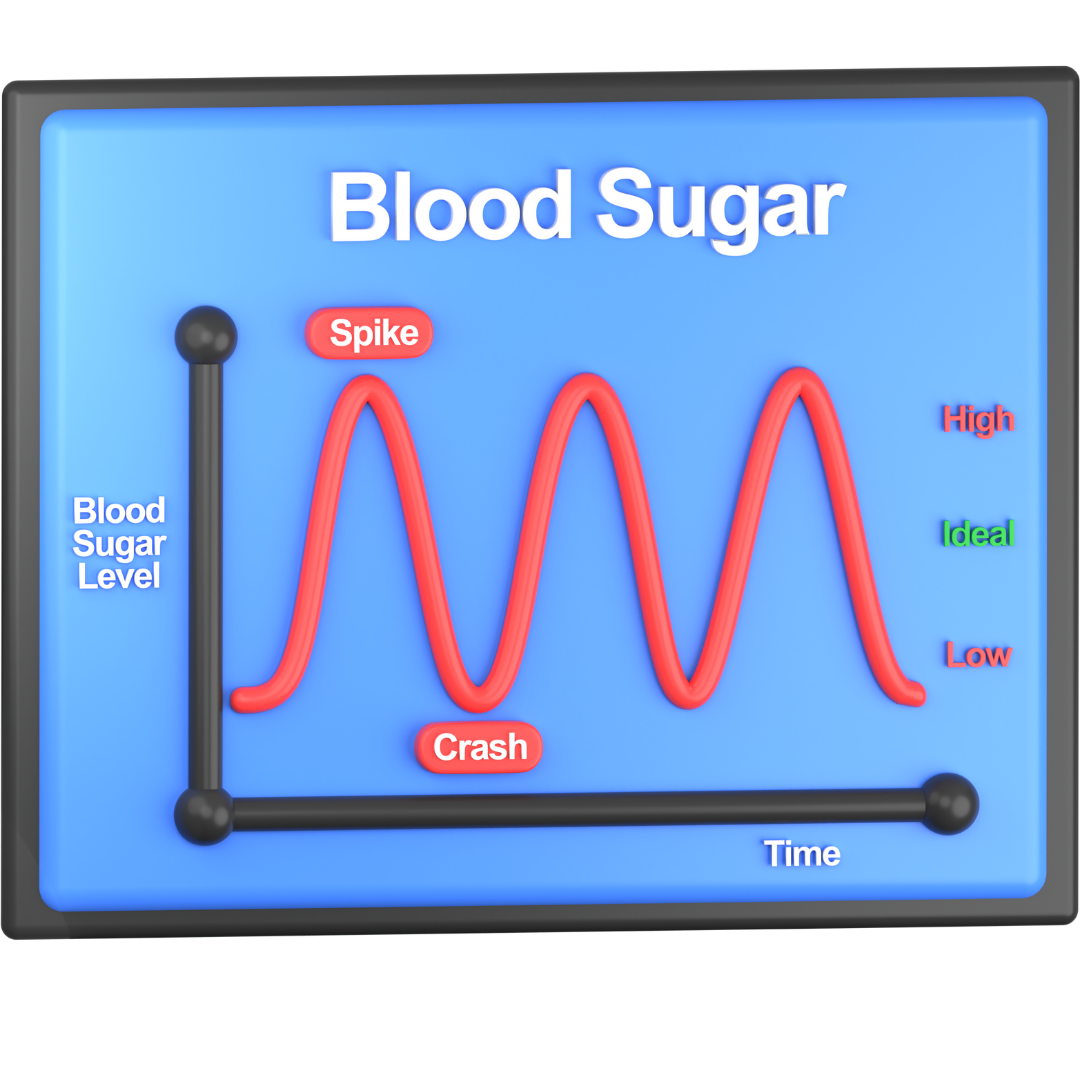

• Rising blood sugar often develops silently over years
• Many patients are unaware until complications begin
• Early recognition of prediabetes prevents progression to diabetes
• Understanding mechanisms empowers lifestyle-based prevention
General Readers
You may have rising blood sugar if you notice:
• Increased thirst
• Frequent urination
• Fatigue
• Blurred vision
• Slow wound healing
• No symptoms at all
Common contributing factors:
• Sedentary lifestyle
• Excess carbohydrate intake
• Abdominal obesity
• Family history
• Poor sleep
• Chronic stress
Medical Students
Key concepts:
• Prediabetes
• Impaired fasting glucose
• Impaired glucose tolerance
• Type 2 diabetes
• Insulin resistance
• Relative insulin deficiency
Pathogenic mechanisms:
• Decreased insulin sensitivity
• Beta-cell dysfunction
• Increased hepatic glucose output
• Chronic low-grade inflammation
Young Doctors
Clinical approach:
• Screen high-risk individuals
• Interpret:
• Fasting glucose
• HbA1c
• Oral glucose tolerance test
• Emphasize lifestyle before pharmacotherapy
• Individualize targets
Avoid overtreatment in early disease.
General Practitioners
Common patterns in practice:
• Late diagnosis
• Poor dietary compliance
• Fear of insulin
• Inconsistent follow-up
Management principles:
• Patient education
• Weight reduction
• Regular monitoring
• Stepwise medication escalation
Pathophysiology
Processes involved:
• Peripheral insulin resistance
• Compensatory hyperinsulinemia
• Progressive beta-cell exhaustion
• Glucotoxicity and lipotoxicity
• Endothelial dysfunction
Diabetes is a metabolic continuum, not an abrupt disease.
When to See the Doctor
Consult a physician if:
• Blood sugar remains elevated
• Symptoms of hyperglycemia appear
• There is family history of diabetes
• You are overweight with sedentary lifestyle
• Random glucose exceeds normal range
Early blood sugar rise is reversible. Timely lifestyle intervention delays or prevents diabetes and its complications. Awareness and discipline remain the most powerful tools.
Dos and Don’ts
DO
• Walk daily
• Reduce refined carbohydrates
• Monitor blood glucose
• Maintain healthy weight
• Sleep adequately
DON’T
• Ignore borderline readings
• Depend solely on medication
• Consume sugary drinks
• Skip follow-ups
• Believe diabetes is inevitable
FAQs
• Is prediabetes reversible?
• Yes, with lifestyle modification
• Do all patients need medication?
• No, many improve without drugs
• Does stress affect blood sugar?
• Yes, significantly
• Is diabetes always genetic?
• No, lifestyle plays a major role
• Can normal-weight people develop diabetes?
• Yes, especially with visceral fat


By Dr. Mohammed Tanweer Khan
A Proactive/Holistic Physician
Founder of WithinTheBody.com