Articles

Always feeling bloated? A doctor explains the real causes—food triggers, gut imbalance, hormones, constipation—and how to fix chronic bloating effectively.
Read More
A doctor explains the difference between REM and deep sleep, what each stage does for your brain and body, and how to improve both for better health and mental clarity.
Read More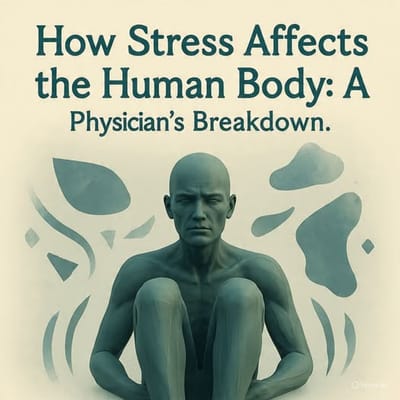
Stress is no longer just an emotional state—it's a physiological event that involves hormones, neural signals, and systemic responses throughout the body. Modern life has made stress a nearly universal experience, yet few understand how deeply it interacts with our biology.
Read More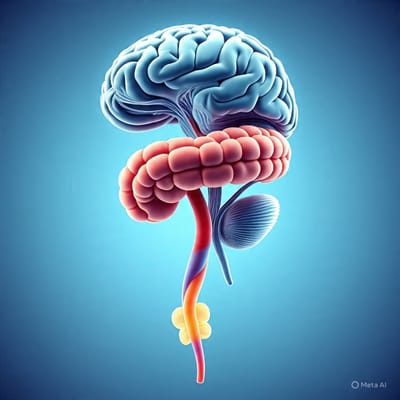
The gut is not just a digestive tube. It is a dynamic communication hub, filled with neurons, hormones, immune cells, microbiota colonies, and neurotransmitters — constantly talking to the brain. This bidirectional messaging system is called the Gut–Brain Axis, and it influences far more than digestion.
Read More
Many people confidently say, “Doctor, I sleep for 7–8 hours every night, but I still wake up tired.” This is not laziness, aging, or imagination. It is a medical and physiological problem, and it is becoming increasingly common in modern societies.
Read More
Inflammation is the body’s natural defense mechanism. When it is short-lived, it heals. When it becomes silent, low-grade, and persistent, it quietly damages tissues, disrupts metabolism, and accelerates aging. This state is known as chronic silent inflammation — a condition now recognized as the underlying driver of many modern diseases. Most patients suffering from silent inflammation appear “normal” on the surface, yet feel constantly unwell.
Read More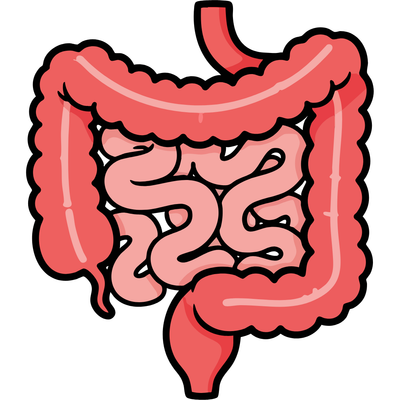
The human gut is no longer viewed as a simple digestive tube. Modern medicine now recognizes it as a central command system influencing immunity, brain function, mood, metabolism, and even chronic disease risk. Many unexplained symptoms faced by patients today originate from an unhealthy gut. Understanding gut health is essential not only for digestion, but for whole-body well-being.
Read More
Stress is no longer just an emotional experience — it is a biological event. Chronic stress silently alters hormones, immunity, metabolism, and brain function. Many modern diseases begin not in organs, but in persistent stress physiology that the body fails to switch off. Understanding how stress affects health is essential for prevention, healing, and longevity.
Read More
Vitamin D is not just a vitamin — it functions as a hormone influencing bones, muscles, immunity, mood, and cardiovascular health. Despite living in an era of medical advancement, vitamin D deficiency has reached epidemic levels worldwide, including in sunny regions. Many patients suffer for years without knowing that a simple deficiency is silently affecting their health.
Read More
Many people believe that blood sugar problems only concern diabetics. In reality, blood sugar spikes can occur years before diabetes is diagnosed, and they often go unnoticed. These fluctuations quietly damage blood vessels, nerves, and organs long before laboratory values cross diagnostic thresholds. Understanding early blood sugar dysregulation is critical for preventing future disease.
Read More
Breathlessness is one of the most anxiety-provoking symptoms for patients. Many people undergo multiple tests only to be told that their heart and lungs are “normal,” yet the sensation of shortness of breath persists. This situation is confusing for patients and challenging for clinicians.
Read More
High blood pressure is one of the most common chronic conditions worldwide. Many patients take one or even multiple medicines, yet their readings remain high. This leads to frustration, fear, and unnecessary escalation of drugs. Uncontrolled blood pressure despite treatment often reflects unaddressed physiological, behavioral, or secondary factors, not treatment failure alone.
Read More