Why Your Digestion Feels Poor — A Physician Explains Indigestion and Bloating
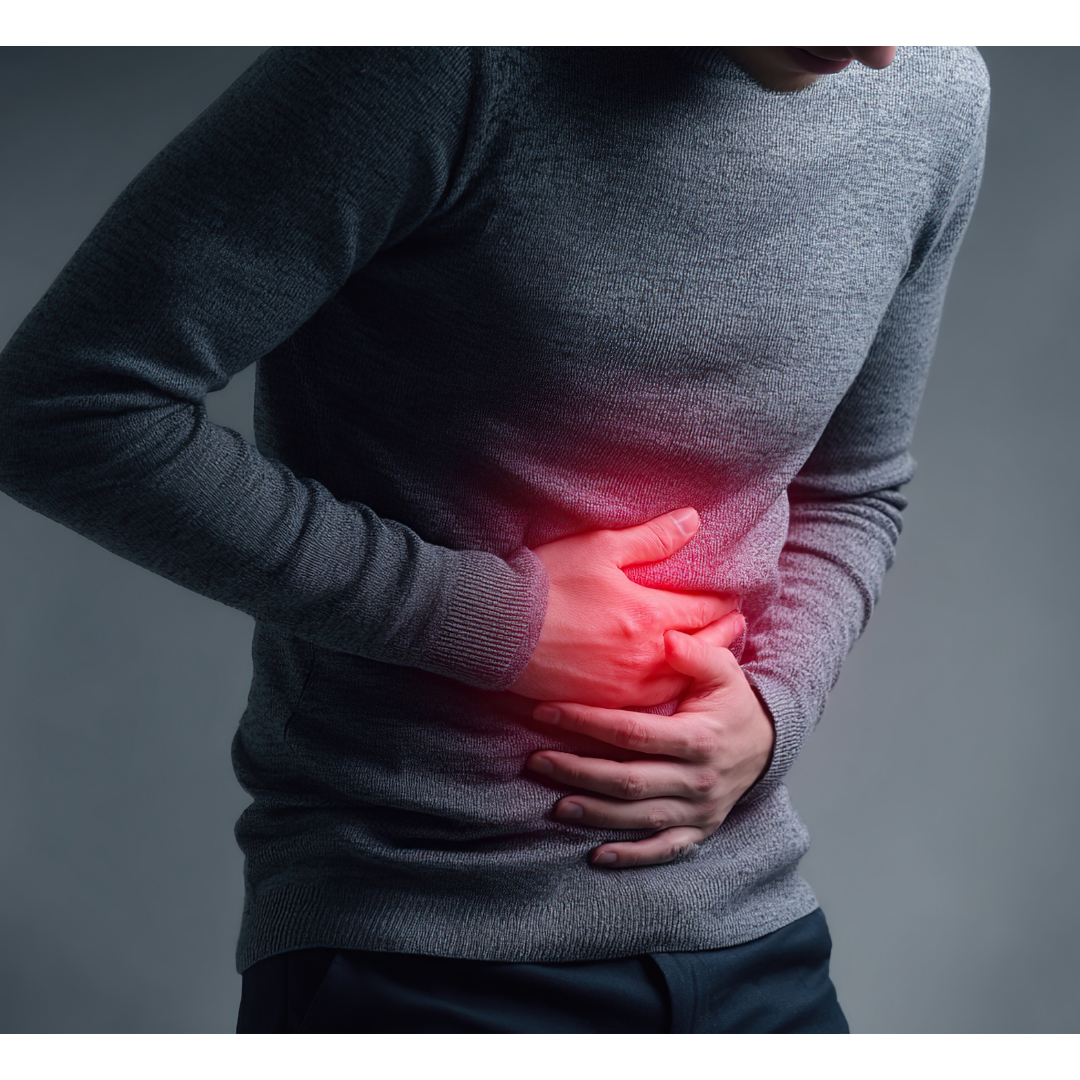

• Digestive discomfort is one of the most frequent reasons for clinic visits
• Indigestion and bloating are symptoms, not diseases
• In most people, the cause is functional and reversible
• Understanding the digestive process reduces fear and over-medication
General Readers
You may experience indigestion or bloating as:
• Upper abdominal discomfort
• Fullness after small meals
• Excess gas
• Abdominal distension
• Heartburn or nausea
Common triggers:
• Overeating
• Fatty or spicy foods
• Carbonated drinks
• Irregular meal timing
• Stress and anxiety
• Sedentary habits
Medical Students
Common classifications:
• Functional dyspepsia
• Gastroesophageal reflux disease (GERD)
• Irritable bowel syndrome (IBS)
• Food intolerance–related bloating
Mechanisms involved:
• Delayed gastric emptying
• Visceral hypersensitivity
• Altered gut motility
• Dysregulated gut–brain axis
Young Doctors
Clinical approach:
• Identify alarm symptoms
• Assess dietary patterns
• Evaluate medication use
• Screen for anxiety and stress
Alarm features include:
• Weight loss
• Persistent vomiting
• GI bleeding
• Progressive dysphagia
Avoid unnecessary endoscopy in low-risk patients.
General Practitioners
Common patterns seen in practice:
• Functional GI disorders
• Stress-related dyspepsia
• Excess acid suppression use
• Poor dietary habits
Management principles:
• Reassurance and education
• Lifestyle and diet modification
• Short-term medication when needed
• Avoid long-term polypharmacy
Pathophysiology
Key mechanisms:
• Increased gastric sensitivity
• Abnormal gastric accommodation
• Altered intestinal gas handling
• Microbiome imbalance
• Autonomic nervous system involvement
Digestive symptoms often reflect gut–brain miscommunication.
When to See the Doctor
Consult a physician if symptoms:
• Persist beyond a few weeks
• Are worsening
• Occur at night
• Are associated with:
• Weight loss
• Anemia
• Black stools
• Severe pain
Indigestion and bloating are usually benign but uncomfortable. With dietary awareness, stress control, and targeted treatment, most patients experience significant relief without long-term medication.
Dos and Don’ts
DO
• Eat slowly
• Maintain regular meal times
• Stay physically active
• Identify food triggers
• Manage stress
DON’T
• Overeat
• Lie down immediately after meals
• Overuse antacids
• Ignore persistent symptoms
• Self-diagnose serious illness
FAQs
• Is bloating always food-related?
• No, stress and gut sensitivity play major roles
• Can anxiety worsen digestion?
• Yes, very commonly
• Are antacids safe long-term?
• Not without medical advice
• Does walking help digestion?
• Yes, significantly
• Is indigestion linked to heart disease?
• Rarely, but chest symptoms must be evaluated


By Dr. Mohammed Tanweer Khan
A Proactive/Holistic Physician
Founder of WithinTheBody.com