Why You Wake Up Tired Even After 8 Hours of Sleep — A Physician Explains
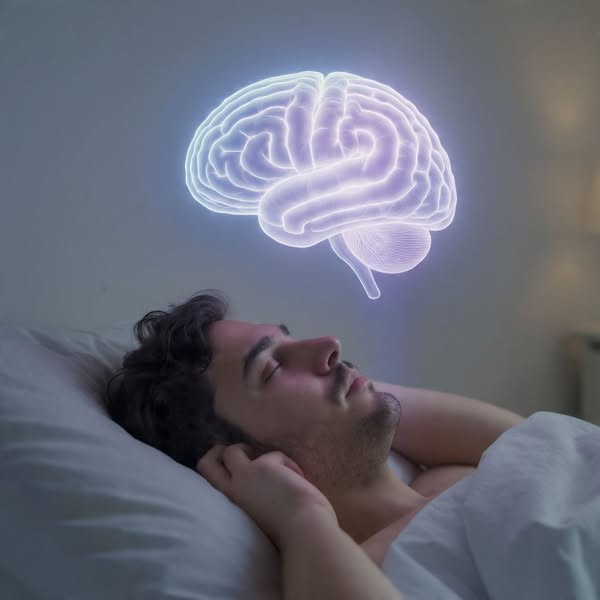

Many people confidently say, “Doctor, I sleep for 7–8 hours every night, but I still wake up tired.”
This is not laziness, aging, or imagination. It is a medical and physiological problem, and it is becoming increasingly common in modern societies.
Sleep duration alone does not guarantee restoration. What matters is sleep quality, sleep architecture, and internal body rhythms. This article explains why adequate sleep time may still fail to refresh the body and mind.
General Readers
Waking up tired despite “enough sleep” usually means that the body did not complete proper repair during the night.
Common experiences include:
* Morning grogginess
* Heavy head or brain fog
* Body aches on waking
* Lack of motivation
* Needing caffeine immediately
* Feeling mentally slow or irritable
These symptoms often result from disturbed deep sleep, fragmented sleep cycles, hormonal imbalance, or underlying medical conditions, even when total sleep hours look adequate.
Medical Students
Key concepts to understand:
* Sleep quality > sleep duration
* Non-restorative sleep occurs with:
* Reduced slow-wave (N3) sleep
* REM fragmentation
* Increased nocturnal arousals
* Circadian misalignment alters cortisol and melatonin rhythm
* Sleep disorders may exist without obvious insomnia
Important contributors:
* Obstructive sleep apnea
* Periodic limb movements
* Anxiety-related hyperarousal
* Autonomic imbalance
* Metabolic and endocrine disorders
A patient can sleep long hours and still experience neurophysiological exhaustion.
Young Doctors
Patients rarely complain of “poor sleep quality.”
Instead, they say:
* “I wake up exhausted”
* “Sleep doesn’t refresh me”
* “I feel tired all day”
Clinical approach:
* Ask how they feel on waking, not just sleep duration
* Enquire about snoring, gasping, leg movements
* Review caffeine, screen use, late meals
* Assess mental stress and anxiety
* Review medications (SSRIs, beta-blockers, sedatives)
Avoid prescribing sleeping pills as first-line therapy — they often worsen sleep architecture.
General Practitioners
Common causes you should routinely consider:
* Obstructive sleep apnea (even in non-obese patients)
* Poor sleep hygiene
* Depression or anxiety
* Thyroid disorders
* Vitamin D / B12 deficiency
* Chronic pain
* Nocturia
* Gastroesophageal reflux
* Alcohol-induced sleep fragmentation
Initial evaluation should include:
* Sleep history (quality, awakenings)
* BMI and neck circumference
* Blood pressure
* Screening labs when indicated
* STOP-BANG questionnaire if apnea suspected
Many cases improve significantly with non-pharmacological correction.
Pathophysiology
1. Fragmented Sleep Cycles
Frequent micro-awakenings prevent completion of deep and REM sleep → poor tissue repair and memory consolidation.
2. Reduced Deep (Slow-Wave) Sleep
Deep sleep is when:
* Growth hormone is released
* Muscles repair
* Immune system strengthens
Loss of this stage causes morning fatigue.
3. Circadian Rhythm Disruption
Late nights, screens, irregular sleep times suppress melatonin and elevate cortisol → poor sleep depth.
4. Sleep Apnea
Repeated oxygen drops activate stress response → patient sleeps but never rests.
5. Hormonal & Metabolic Factors
Hypothyroidism, insulin resistance, and vitamin deficiencies reduce cellular energy production.
6. Stress & Hyperarousal
A constantly alert nervous system prevents true physiological relaxation during sleep.
When to See the Doctor
Seek medical evaluation if:
* Morning fatigue persists >3 weeks
* Loud snoring or breathing pauses occur
* Morning headaches are frequent
* Excessive daytime sleepiness exists
* Memory and concentration decline
* Mood changes accompany fatigue
* Blood pressure or weight increases unexpectedly
Early diagnosis prevents long-term cardiovascular and cognitive complications.
Sleep is not merely about hours — it is about biological restoration.
If you wake up tired despite adequate sleep time, your body is signaling an internal imbalance. Understanding and correcting sleep quality issues restores energy, mental clarity, emotional stability, and long-term health.
Refreshing sleep is a physiological necessity, not a luxury.
Dos and Don’ts
DO
✔ Maintain fixed sleep and wake times
✔ Reduce screen exposure before bedtime
✔ Ensure a dark, cool sleeping environment
✔ Exercise regularly (not late at night)
✔ Address stress proactively
✔ Eat light dinners
✔ Get evaluated if snoring or fatigue persists
DON’T
✘ Use sleeping pills long-term
✘ Consume caffeine late in the day
✘ Use alcohol as a sleep aid
✘ Ignore persistent morning fatigue
✘ Oversleep on weekends excessively
✘ Dismiss fatigue as “normal aging”
FAQs
Q1. Is 8 hours of sleep enough for everyone?
No. Some need 7, others 9 — quality matters more than quantity.
Q2. Can anxiety cause unrefreshing sleep?
Yes. Anxiety keeps the nervous system active during sleep.
Q3. Is snoring always a problem?
Frequent loud snoring may indicate sleep apnea and needs evaluation.
Q4. Do sleeping pills improve sleep quality?
They increase sleep time but often reduce deep and REM sleep.
Q5. Can vitamin deficiency cause morning fatigue?
Yes. Vitamin D, B12, and iron deficiency are common causes.


By Dr. Mohammed Tanweer Khan
A Proactive/Holistic Physician
Founder of WithinTheBody.com