“Why Am I Always Bloated?” A Doctor Explains the Real Reasons Behind Chronic Bloating
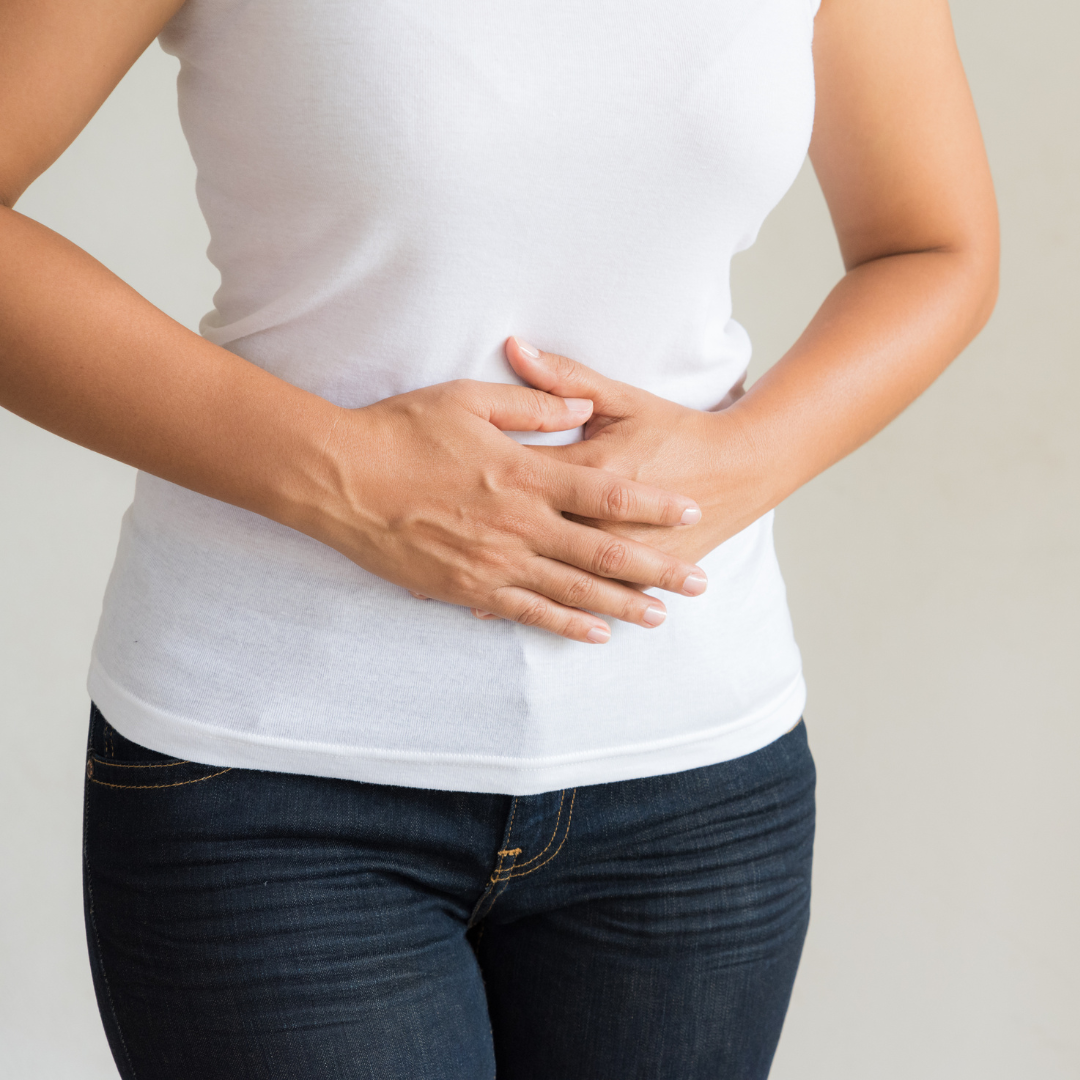

Bloating is one of the most frustrating digestive symptoms. Some people wake up with a flat stomach and go to bed looking “six months pregnant.” Others feel tightness, pressure, or heaviness after even small meals.
Contrary to popular belief, bloating is not always caused by gas or overeating.
It is often a sign of changes in gut motility, food sensitivity, digestive enzyme deficiency, or hormonal fluctuations.
In this article, we break down the real medical reasons behind chronic bloating, how it differs from normal fullness, and when it becomes concerning.
For General Readers
People commonly describe bloating as:
• A swollen abdomen
• Tightness or pressure
• Rumbling or gas
• Heavy feeling after meals
• Difficulty buttoning pants in the evening
• Early satiety
• Burping or excessive flatulence
Most cases are due to functional digestive issues, not disease.
These include:
• Slow digestion
• Low stomach acid
• Gut bacteria imbalance
• Food intolerances
• Stress-related gut spasm
The good news is: most causes are reversible.
For Medical Students
Bloating arises from one or more of the following mechanisms:
• Impaired gastric emptying (gastroparesis, functional dyspepsia)
• Small bowel dysmotility
• Carbohydrate malabsorption (FODMAPs)
• Exaggerated visceral hypersensitivity
• Small intestinal bacterial overgrowth (SIBO)
• Colonic fermentation of undigested carbs
• Constipation with fecal loading
• Hormonal factors (estrogen/progesterone fluctuations)
Understanding motility, fermentation, and sensory pathways is key.
For Young Doctors
Most patients who complain of chronic bloating do not have structural pathology.
Your approach should be:
• History first: timing, triggers, bowel habits, stress patterns
• Look for red flags: weight loss, bleeding, night symptoms
• Avoid over-investigation initially
• Treat functional causes proactively
Useful tools include:
• Low-FODMAP guidance
• Probiotics (strain-specific)
• Fiber modulation
• Possible PPI or H2 blocker trial
• Screening for constipation
• Breath tests (only when clinically indicated)
For General Practitioners (GPs)
GP workup should include:
• CBC (anemia)
• CRP (inflammation)
• Celiac screening
• TSH
• Stool H. pylori antigen if dyspepsia present
• Consider abdominal ultrasound only if indicated
Most patients benefit from:
• Diet restructuring
• Stress management
• Gut motility improvement
• Identifying food sensitivities
• Avoiding unnecessary antibiotics
Pathophysiology: Why Bloating Happens
1. Slow Digestion (Functional Dyspepsia)
Food stays in the stomach longer.
Symptoms: early fullness, pressure, nausea.
2. Low Stomach Acid
Surprisingly common after age 35.
Low acid means:
• Poor protein breakdown
• Improper digestion
• Excess fermentation in intestines
→ Bloating.
3. Carbohydrate Malabsorption
Certain carbs—called FODMAPs—are poorly absorbed, ferment quickly, and produce gas.
Common culprits:
• Onions
• Garlic
• Beans
• Milk/lactose
• Wheat
• Apples
• Sweeteners
4. Small Intestinal Bacterial Overgrowth (SIBO)
Excess bacteria in the small intestine ferment food prematurely.
Symptoms:
• Bloating within 30–60 minutes of meals
• Gas
• Loose stools
5. Constipation
A major cause.
When stool remains in the colon, it ferments and produces gas, causing distension.
6. Hormonal Changes
Especially in women:
• Estrogen → water retention
• Progesterone → slow gut motility
This explains bloating during PMS, peri-menopause, and menopause.
7. Stress & Anxiety
Stress activates the gut’s “fight or flight” response, slowing digestion and causing spasms and bloating.
8. Food Intolerances
Especially lactose intolerance, gluten sensitivity, fructose malabsorption.
These cause gas, cramps, and swelling shortly after eating.
When to See a Doctor
Seek medical evaluation if bloating is:
• Associated with weight loss
• Persistent > 3 weeks
• Worse at night
• Combined with fever
• Associated with vomiting
• Severe after every meal
• Accompanied by rectal bleeding
• New after age 50
These may signal pancreatic, gastrointestinal, or metabolic disease.
Bloating is not a trivial digestive annoyance—it’s a message from the gut. Understanding your triggers and how your digestive system works allows you to take control instead of suffering silently.
Most bloating is treatable with simple, targeted lifestyle changes.
Your gut speaks—listen to it early.
Dos and Don’ts
DO
• Do eat slowly
• Do identify trigger foods
• Do drink enough water
• Do increase fiber gradually
• Do manage stress actively
• Do maintain regular physical activity
• Do try a low-FODMAP trial if needed
DON’T
• Don’t overeat in one sitting
• Don’t drink fizzy drinks daily
• Don’t take unnecessary antibiotics
• Don’t ignore constipation
• Don’t rely heavily on antacids
• Don’t skip breakfast regularly
• Don’t eat late at night
FAQs
1. Why does my bloating get worse in the evening?
Because digestion slows throughout the day and gas accumulates from fermentation.
2. Can stress really cause bloating?
Yes. Stress changes gut motility and increases sensitivity.
3. Is bloating always from gas?
No. Fluid retention, constipation, or slow digestion can mimic gas bloat.
4. Should I try probiotics?
Yes, but specific strains (like Bifidobacterium infantis) work better than general mixes.
5. Can exercise help bloating?
Absolutely. Walking improves gut movement and reduces gas accumulation.


By Dr. Mohammed Tanweer Khan
A Proactive/Holistic Physician
Founder of WithinTheBody.com