How Stress Affects the Human Body: A Physician's Breakdown
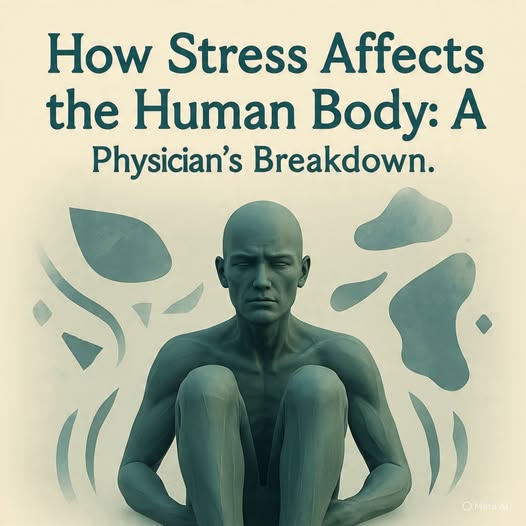
Stress is no longer just an emotional state—it's a physiological event that involves hormones, neural signals, and systemic responses throughout the body. Modern life has made stress a nearly universal experience, yet few understand how deeply it interacts with our biology. As physicians, when we explain stress to patients, we describe it as an alarm system that was meant to protect us—but when left “switched on,” it begins to damage the very body it was designed to save.
This article breaks down stress from a medical perspective—simple, structured, and clinically meaningful. Ideal for readers curious about what's happening inside them when they feel overwhelmed, irritable, panicked, or exhausted.
What Happens Inside the Body During Stress?
When the brain perceives a threat—real or imagined—it activates the hypothalamic-pituitary-adrenal axis (HPA axis). In seconds, adrenaline and cortisol surge into the bloodstream. Heart rate rises, blood pressure increases, blood sugar spikes, and energy is diverted to muscles.
This system evolved for physical danger. But today, our “hunters” face emails, deadlines, financial worry, relationships, exhaustion—not wolves or predators. Yet the brain reacts the same.
Short-Term Stress: A Useful Survival Mechanism
Short bursts of stress can be productive and even necessary:
• Improves alertness, focus, and reaction speed
• Increases blood flow to brain and muscles
• Sharpens memory temporarily
• Enhances physical performance in emergencies
• Boosts motivation before exams, presentations, competitions
Short-term stress is like fire—controlled, it provides warmth and energy.
Chronic Stress: When Protection Turns into Damage
When cortisol remains elevated for weeks, months, or years, the body begins to break down. Chronic stress is linked to nearly every major modern disease. Prolonged activation of the stress response:
1. Brain & Mental Health
• Memory decline
• Poor concentration
• Increased risk of anxiety and depression
• Sleep disturbances & insomnia
Cortisol literally shrinks the hippocampus—the memory center.
2. Cardiovascular System
• Persistent hypertension
• Tachycardia & palpitations
• Increased clotting tendency → ↑ heart attack & stroke risk
• Inflammation of blood vessels (endothelial dysfunction)
Stress is a silent cardiovascular accelerant.
3. Immune System
• Reduced immunity → frequent colds & infections
• Increased inflammation → autoimmune flare-ups
• Delayed wound healing
Stress suppresses defense when we need it most.
4. Digestive & Gut Function
• Gastritis, reflux, IBS-like symptoms
• Diarrhea or constipation
• Worsening ulcerative colitis & Crohn’s flares
• Changes in gut microbiome
The gut is sometimes called the second brain for a reason.
5. Hormones & Metabolic Health
• Weight gain (especially belly fat)
• Increased blood sugar → diabetes risk
• Decreased sex hormones → low libido, irregular periods
• Muscle breakdown and fatigue
Chronic stress rewires metabolism toward disease.
Subtle Clinical Signs of Stress to Watch For
• Grinding teeth during sleep
• Hair thinning or hair fall
• Unexplained body ache or back pain
• Brain fog, poor decisions
• Social withdrawal
• Feeling tired even after sleeping
Patients often present with symptoms before recognizing the stress behind them.
Physician-Based Stress Reduction Strategies
No supplements. No trends. Just physiology-supported tools:
Slow Breathing — 5 minutes daily
Activates parasympathetic system → lowers cortisol, heart rate, and BP.
Morning sunlight exposure
Regulates circadian rhythm, improves mood & sleep.
Physical movement (30–45 min/day)
Exercise burns stress hormones like adrenaline.
Mindful pauses during the day
Noticing breath, posture, tension resets the nervous system.
Deep sleep
The strongest anti-inflammatory medicine nature provides.
Healthy relationships & communication
Human connection is a biological need, not a luxury.
Limit caffeine + digital overload
Avoid pouring fuel on an already overactive brain.
When to See a Physician
If stress begins to interfere with:
❗ Sleep
❗ Job or relationships
❗ Memory or focus
❗ Appetite or weight
❗ Heart rhythm, blood pressure, or sugar levels
—it's time for medical evaluation.
Closing Thought
Stress is not weakness—it's biology.
Understanding it is the first step in mastering it.

By Dr. Mohammed Tanweer Khan
A Proactive/Holistic Physician
Founder of WithinTheBody.com