Why You Feel Breathless Even When Your Heart and Lungs Are “Normal”
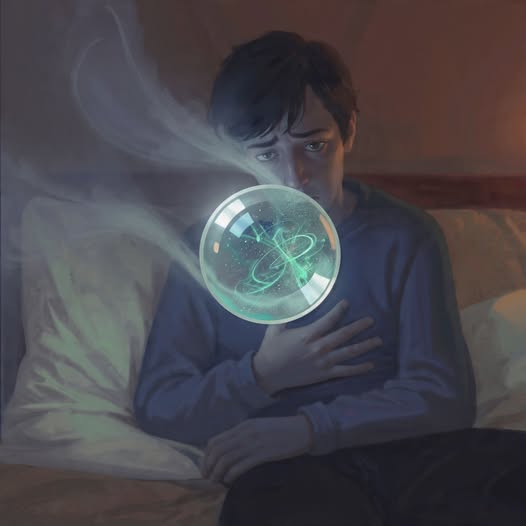
Breathlessness is one of the most anxiety-provoking symptoms for patients. Many people undergo multiple tests only to be told that their heart and lungs are “normal,” yet the sensation of shortness of breath persists. This situation is confusing for patients and challenging for clinicians.
Breathlessness is not always a problem of oxygen or organs — it is often a problem of physiology, control systems, and perception.
General Readers
Feeling breathless does not always mean a serious disease.
Common experiences include:
• Difficulty taking a deep breath
• Air hunger
• Frequent sighing or yawning
• Chest tightness
• Breathlessness during stress or mild exertion
• Normal test results despite symptoms
These symptoms often worsen with anxiety, poor posture, inactivity, or breathing pattern disorders.
Medical Students
Key mechanisms:
• Dyspnea is a subjective sensation
• Mismatch between respiratory drive and afferent feedback
• Hyperventilation syndrome
• Dysfunctional breathing patterns
• Deconditioning
• Autonomic nervous system imbalance
Normal spirometry and imaging do not exclude:
• Functional dyspnea
• Early neuromuscular weakness
• Iron deficiency
• Metabolic acidosis
Young Doctors
Patients may present with:
• Recurrent ER visits
• Normal ECG, echo, and chest X-ray
• Significant symptom distress
Clinical approach:
• Observe breathing pattern at rest
• Ask about sighing, yawning, and air hunger
• Assess anxiety and stress
• Evaluate posture and physical conditioning
• Avoid excessive investigations once serious disease is excluded
Reassurance combined with education is often therapeutic.
General Practitioners
Common non-cardio-pulmonary causes:
• Anxiety-related hyperventilation
• Poor posture (forward head, slouched chest)
• Deconditioning
• Iron deficiency anemia
• Obesity
• GERD
Useful screening:
• Hemoglobin
• Thyroid function
• BMI and waist circumference
• Functional exercise tolerance
Many patients improve with breathing retraining and graded activity.
Pathophysiology
1. Hyperventilation
Leads to low CO₂ → cerebral vasoconstriction → air hunger.
2. Autonomic Dysregulation
Sympathetic dominance increases respiratory drive.
3. Deconditioning
Reduced muscle efficiency increases ventilatory demand.
4. Postural Restriction
Chest wall mechanics are impaired.
5. Sensory Amplification
Heightened awareness of normal breathing sensations.
When to See the Doctor
Seek urgent medical attention if breathlessness is:
Sudden and severe
Associated with chest pain
Accompanied by fainting
Worsening rapidly
Occurring at rest
Associated with cyanosis
Persistent breathlessness always deserves evaluation.
Breathlessness with normal tests is real — not imagined. It reflects functional, physiological, and neuro-respiratory mechanisms rather than organ failure. Correct diagnosis, reassurance, and targeted intervention restore confidence and comfort.
Understanding the cause is the first step toward relief.
Dos and Don’ts
DO
✔ Practice slow nasal breathing
✔ Improve posture
✔ Engage in graded exercise
✔ Manage anxiety
✔ Maintain healthy weight
✔ Stay hydrated
DON’T
✘ Panic about symptoms
✘ Over-monitor breathing
✘ Avoid activity completely
✘ Rely on repeated emergency visits
✘ Ignore red-flag symptoms
FAQs
Q1. Can anxiety cause real breathlessness?
Yes. Anxiety alters breathing patterns and CO₂ balance.
Q2. Are normal tests enough reassurance?
They rule out serious disease but do not negate symptoms.
Q3. Does posture really affect breathing?
Yes. Poor posture restricts chest expansion.
Q4. Can exercise help breathlessness?
Yes. Gradual conditioning improves breathing efficiency.
Q5. Is this condition dangerous?
Usually not, once serious causes are excluded.


By Dr. Mohammed Tanweer Khan
A Proactive/Holistic Physician
Founder of WithinTheBody.com