Why Your Gut Health Controls Your Immunity, Mood, and Energy
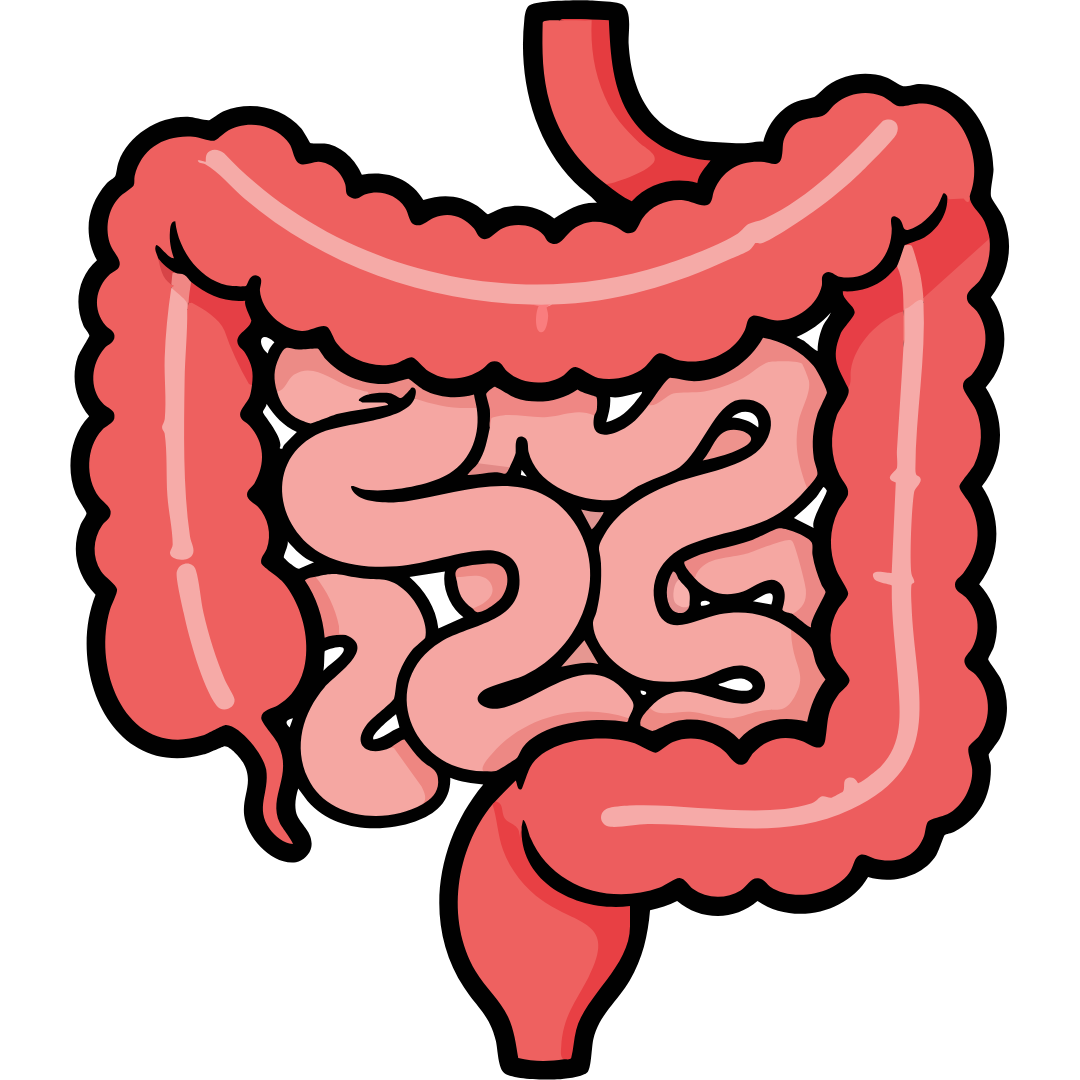

The human gut is no longer viewed as a simple digestive tube. Modern medicine now recognizes it as a central command system influencing immunity, brain function, mood, metabolism, and even chronic disease risk. Many unexplained symptoms faced by patients today originate from an unhealthy gut.
Understanding gut health is essential not only for digestion, but for whole-body well-being.
General Readers
Your gut contains trillions of bacteria, collectively known as the gut microbiome. These microorganisms:
• Help digest food
• Produce vitamins
• Regulate immunity
• Communicate with the brain
• Influence mood and emotions
• Control inflammation
When the gut microbiome becomes imbalanced, people may experience:
• Bloating and gas
• Constipation or diarrhea
• Fatigue
• Anxiety or low mood
• Frequent infections
• Food intolerances
• Weight gain
Gut problems often appear far away from the gut itself.
Medical Students
Key concepts:
• The gut microbiota contains >100 trillion microorganisms
• Short-chain fatty acids (SCFAs) regulate immune tolerance
• Dysbiosis contributes to:
• IBS
• Obesity
• Type 2 diabetes
• Autoimmune disease
• Depression and anxiety
The gut–brain axis operates via:
• Vagus nerve signaling
• Immune mediators
• Neurotransmitter production (serotonin, GABA)
Approximately 90% of serotonin is produced in the gut.
Young Doctors
Patients often present with non-specific complaints:
• Chronic fatigue
• Brain fog
• Bowel irregularity
• Recurrent infections
• Mood instability
Clinical approach:
• Identify dietary triggers
• Review antibiotic history
• Assess stress levels
• Avoid unnecessary testing initially
• Focus on diet and lifestyle modification
Gut health restoration is often therapeutic across multiple symptoms simultaneously.
General Practitioners
Common factors disrupting gut health:
• Frequent antibiotic use
• Ultra-processed foods
• Low fiber intake
• Chronic stress
• Poor sleep
• Excess alcohol
• Sedentary lifestyle
Initial evaluation may include:
• Detailed dietary history
• Alarm symptom assessment
• Selective labs when indicated
• IBS screening
Most gut disorders improve with non-pharmacological intervention.
Pathophysiology
1. Dysbiosis
Loss of beneficial bacteria allows pathogenic strains to dominate.
2. Increased Gut Permeability (“Leaky Gut”)
Toxins enter circulation, triggering immune activation.
3. Immune Dysregulation
70% of immune cells reside in the gut-associated lymphoid tissue.
4. Neurochemical Disruption
Reduced production of serotonin and GABA affects mood and sleep.
5. Metabolic Effects
Impaired glucose and lipid metabolism contribute to obesity and diabetes.
When to See the Doctor
Consult a physician if you experience:
Persistent digestive symptoms
Unexplained fatigue
Unintentional weight loss
Blood in stool Severe abdominal pain Night symptoms
Family history of GI disease
Early evaluation prevents complications.
Conclusion
Gut health is the foundation of physical and mental well-being. A healthy gut supports immunity, stabilizes mood, reduces inflammation, and enhances energy. Many chronic complaints resolve when gut balance is restored.
Treat the gut — and the whole body heals.
Dos and Don’ts
DO
✔ Eat fiber-rich foods
✔ Include fermented foods
✔ Stay hydrated
✔ Manage stress
✔ Sleep adequately
✔ Exercise regularly
DON’T
✘ Overuse antibiotics
✘ Rely on processed foods
✘ Ignore chronic gut symptoms
✘ Self-medicate laxatives
✘ Skip meals regularly
FAQs
Q1. Can gut health affect mental health?
Yes. Gut bacteria directly influence neurotransmitters.
Q2. Are probiotics always necessary?
Not always — diet alone can restore balance.
Q3. Can stress damage the gut?
Yes. Stress alters gut motility and microbiota.
Q4. Is bloating always a gut disease?
No — it may reflect dietary or stress-related imbalance.
Q5. How long does gut healing take?
Improvements often begin within weeks.


By Dr. Mohammed Tanweer Khan
A Proactive/Holistic Physician
Founder of WithinTheBody.com