Articles #diabetes
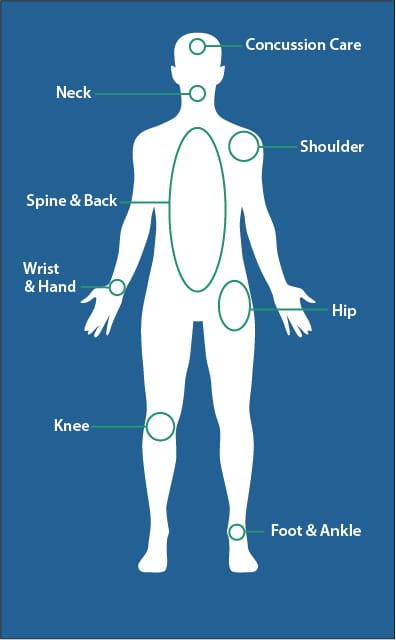
In medicine, we are taught that “the patient will tell you the diagnosis if you listen carefully enough.” But over the years, I’ve realised that the body itself speaks — often more clearly than the patient’s words. From the scalp to the soles, every part of you is quietly reporting on your health. My role as a doctor has been to tune in to these messages and interpret them before they become cries for help.
Read More
Over the years in clinical practice, I have learned that the skin is often a silent storyteller of a patient’s internal health. While most people focus on its cosmetic appearance, as physicians, we know that the skin can act as a window to systemic diseases, nutritional deficiencies, hormonal imbalances, and immune disorders.
Read More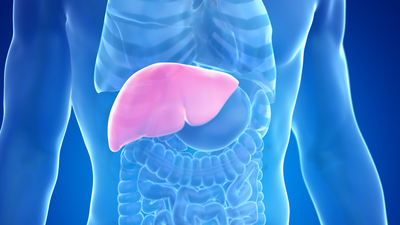
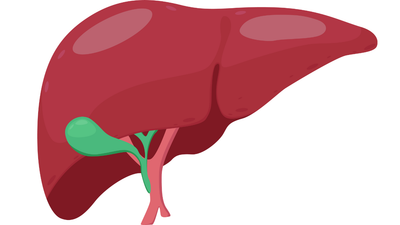
In clinical practice, I have often described the liver as the body’s silent workhorse. It performs more than 500 essential functions — from processing nutrients and detoxifying harmful substances to producing proteins vital for blood clotting. Yet, despite its importance, the liver rarely “complains” until the damage is advanced. This makes recognizing the early signs of liver trouble critical for timely intervention.
Read More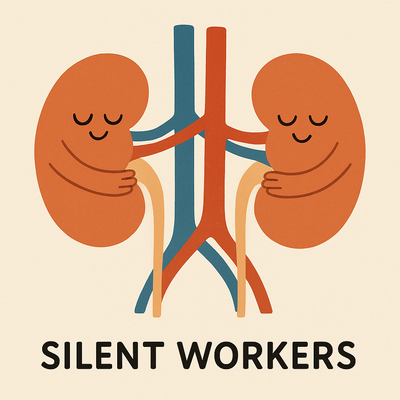
Your kidneys are working right now — quietly, continuously, and without complaint — to keep you alive. Each about the size of a fist, tucked under your ribcage towards your back, these bean-shaped organs filter roughly 50 gallons of blood every single day. They remove waste, balance electrolytes, regulate blood pressure, and even influence your bone strength and red blood cell production. Despite this incredible workload, most people rarely give their kidneys a second thought — until something goes wrong.
Read More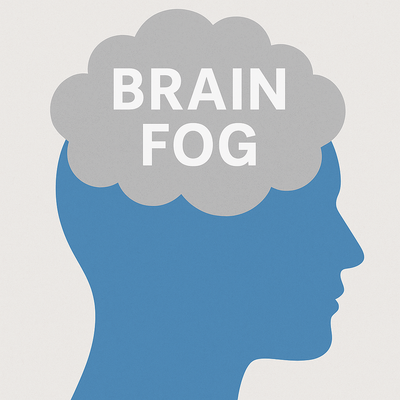
As physicians, we often encounter patients who complain of “brain fog.” They describe it as a state where their mind feels cloudy, concentration becomes difficult, memory slips more frequently, and decision-making slows down. While this is not a medical diagnosis in itself, it is a symptom that warrants attention. Brain fog can be temporary, related to lifestyle factors, or it can point toward an underlying medical condition that requires evaluation and treatment.
Read More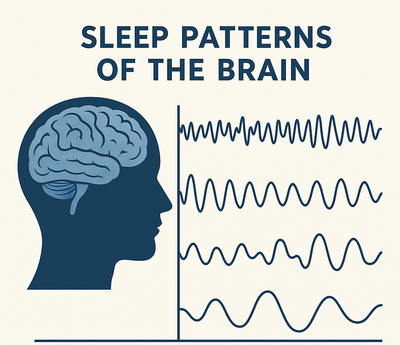
As physicians, we often remind patients that sleep is not simply a pause in daily activity—it is an active, restorative process that keeps the body and mind functioning at their best. Sleep is as vital as food, water, and oxygen, yet it remains one of the most undervalued elements of health. Modern lifestyles have pushed sleep into the background, often treated as optional, when in reality, it is the time during which the body performs its deepest and most necessary repairs.
Read More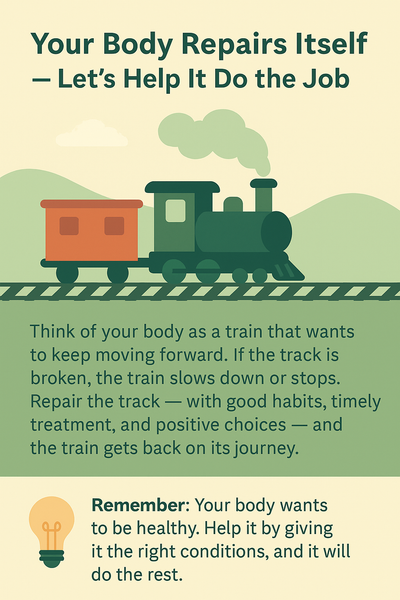
As physicians, one of the most remarkable observations we make daily is the body’s inherent tendency to heal itself. No matter how complex the disruption — be it an infection, inflammation, injury, or even emotional stress — the human body carries within it the machinery for repair and restoration.
Read More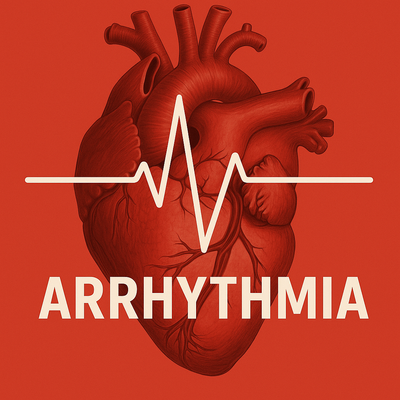
The human heart is designed to beat in a steady, rhythmic pattern, ensuring blood reaches every organ with precision. When this rhythm is disturbed, it is known as an arrhythmia or heart rhythm disorder.
Read More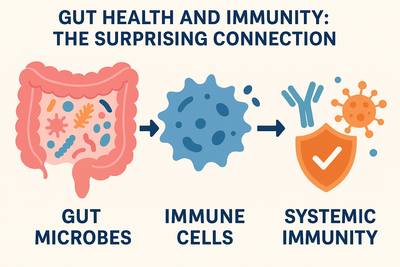
For decades, the immune system was considered a self-sufficient defense force, separate from other body systems. Today, modern science has revealed a fascinating truth: the gut and its trillions of resident microbes are deeply intertwined with immune health. Nearly 70% of immune cells reside in the gut-associated lymphoid tissue (GALT), making the intestine not just a digestive organ but a central hub of immunity.
Read More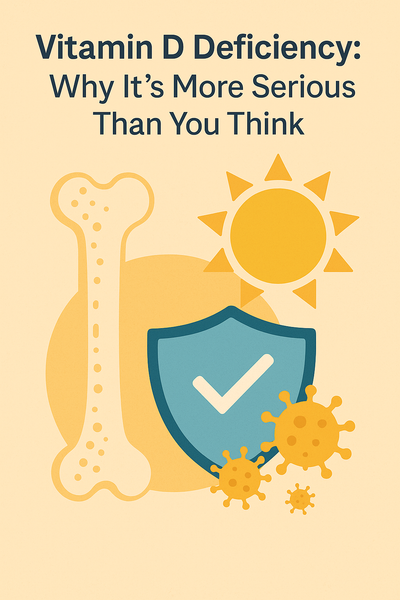
Vitamin D is not just a “bone vitamin.” It is a vital hormone-like substance influencing bones, muscles, the immune system, cardiovascular health, and even mental well-being. Deficiency is often silent, creeping in unnoticed, but its long-term consequences can be profound. As physicians, we encounter this problem daily in practice, yet it remains underestimated by patients and even some professionals.
Read More
Inflammation is the body’s natural defense mechanism, designed to protect against infections, injuries, and toxins. However, when this process becomes chronic, it silently contributes to a wide range of diseases—ranging from heart disease and diabetes to arthritis and even certain cancers.
Read More