Why Your Hair Is Falling — A Physician Explains Hair Loss
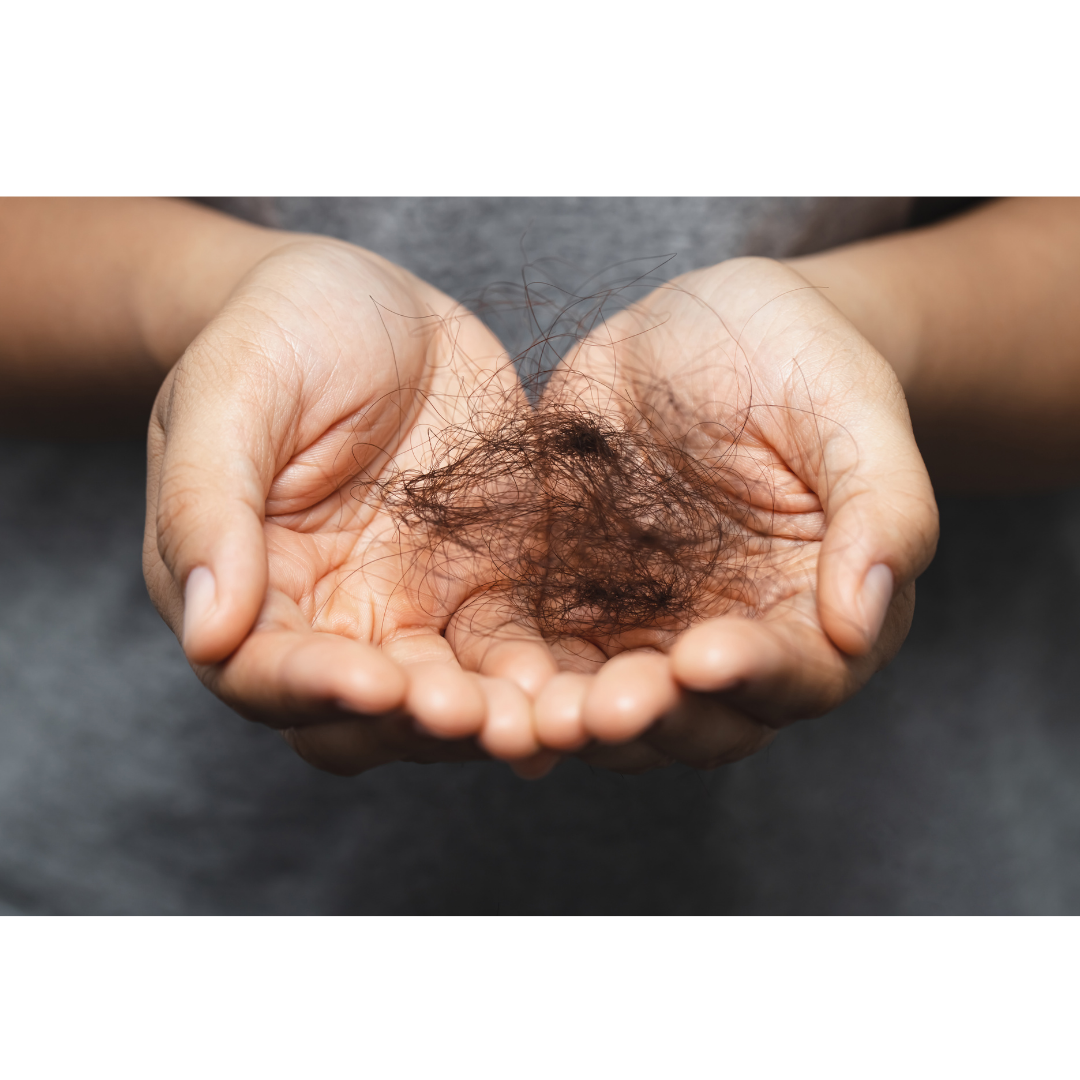
Hair loss is one of the most emotionally distressing symptoms patients experience. While some degree of hair shedding is normal, excessive or persistent loss often leads to anxiety. In clinical practice, most hair loss is not dangerous — but identifying the cause early improves outcomes and reassurance.
Hair reflects internal health. When the body is under stress, hair growth is often one of the first processes affected.
General Readers
It is normal to lose 50–100 hairs per day. Concern arises when you notice:
• Excessive hair on the pillow or shower drain
• Visible thinning
• Widening part line
• Receding hairline
• Patchy hair loss
Common triggers include:
• Physical or emotional stress
• Nutritional deficiencies
• Hormonal changes
• Rapid weight loss
• Illness or surgery
• Certain medications
In many cases, hair regrows once the underlying issue is corrected.
Medical Students
Hair loss may be categorized into:
• Non-scarring alopecia
• Scarring alopecia
Common clinical types:
• Androgenetic alopecia
• Telogen effluvium
• Alopecia areata
Understanding the hair growth cycle — anagen, catagen, and telogen phases — is essential for diagnosis. Telogen shift following systemic stress is particularly common.
Young Doctors
History should focus on timing, triggers, and pattern. Examine the scalp for inflammation, scarring, or focal patches. Assess for systemic symptoms.
Initial evaluation may include:
• Hemoglobin levels
• Iron studies
• Thyroid function tests
• Vitamin B12 and vitamin D levels
Avoid overpromising immediate regrowth; hair recovery takes time.
General Practitioners
In routine practice, hair loss frequently follows stress, childbirth, illness, or dietary restriction. Androgenetic hair loss is common in both men and women.
Management involves identifying reversible causes, reassuring patients, and considering medical therapy when appropriate. Emotional support is often as important as treatment.
Pathophysiology
Hair loss occurs when the balance between hair growth and shedding is disrupted. Contributing mechanisms include:
• Hormonal sensitivity of hair follicles
• Nutritional deficiencies impairing follicle function
• Autoimmune attack on follicles
• Sudden transition of hairs into resting phase
• Chronic inflammatory changes
Most non-scarring forms are potentially reversible.
When to See the Doctor
Seek medical advice if hair loss:
• Is sudden and severe
• Occurs in patches
• Is associated with scalp redness or pain
• Follows significant illness
• Is accompanied by fatigue or weight changes
Early assessment improves treatment success.
Hair loss is common and often reversible. Identifying the underlying trigger — whether nutritional, hormonal, or stress-related — allows targeted management. Patience is important; hair growth recovery is gradual but achievable in most cases.
Dos and Don’ts
Do
• Maintain balanced nutrition
• Manage stress
• Treat underlying medical conditions
• Use gentle hair care practices
• Seek medical evaluation for persistent loss
Don’t
• Panic after temporary shedding
• Follow extreme crash diets
• Overuse chemical treatments
• Self-medicate with unverified products
• Ignore sudden patchy hair loss
FAQs
Is daily hair shedding normal?
Yes, mild daily shedding is completely normal.
Can stress cause hair loss?
Yes, stress commonly triggers temporary shedding.
Is hair loss always permanent?
No, many forms are reversible.
Do supplements cure hair loss?
Only if a deficiency is present.
How long does regrowth take?
Improvement often begins after 3–6 months once the cause is addressed.