Why Your Eyes Feel Tired — A Physician Explains Eye Strain and Fatigue
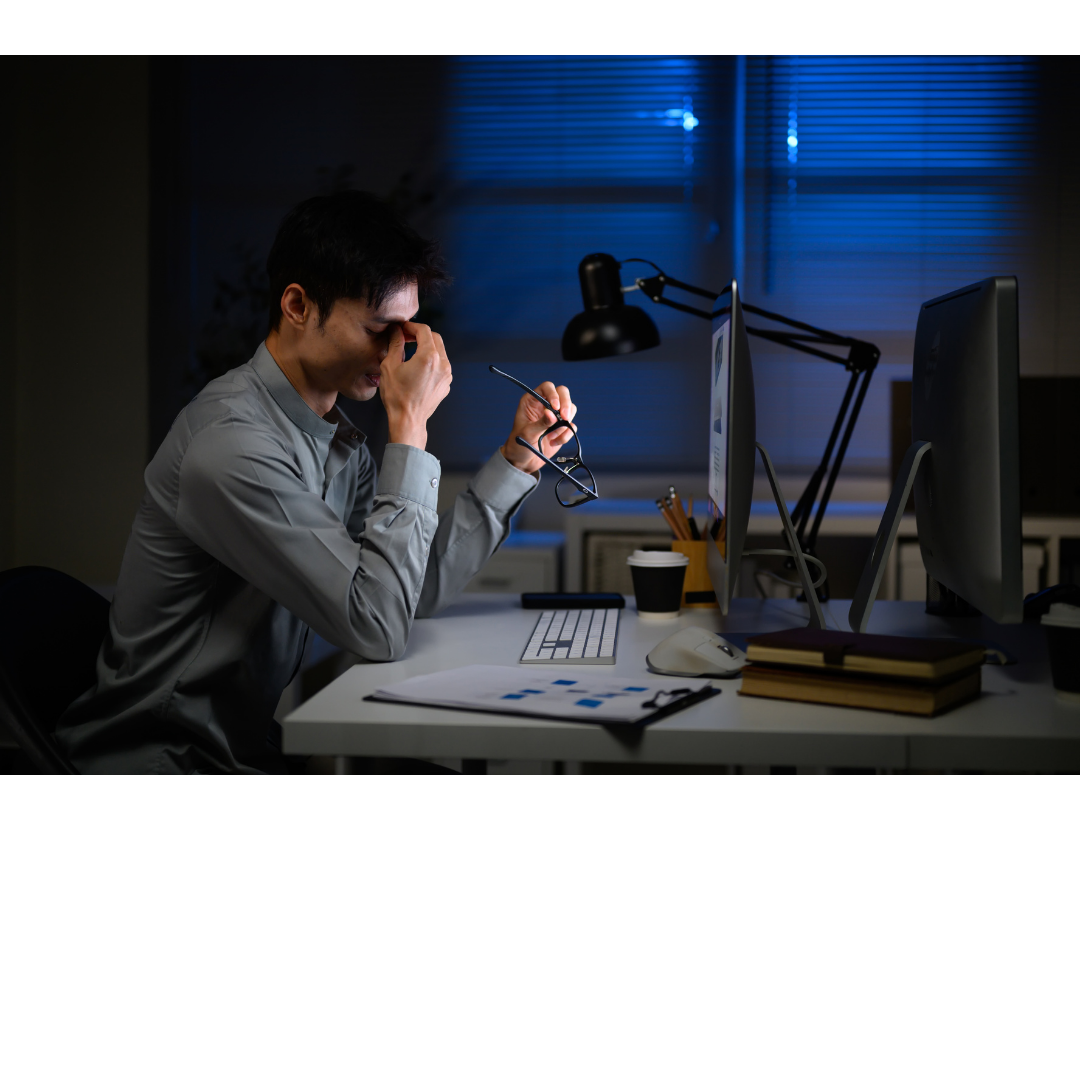
Eye fatigue is one of the most common complaints in modern life. Prolonged screen use, reading, or exposure to bright light can cause discomfort, dryness, or blurry vision. While usually harmless, persistent eye strain can affect productivity, sleep, and quality of life. Understanding the underlying mechanisms helps manage symptoms effectively.
General Readers
Eye strain often presents as:
• Tired or heavy eyes
• Blurred vision
• Headache around the eyes or temples
• Dryness or excessive tearing
• Sensitivity to light
Common causes include:
• Extended computer, smartphone, or tablet use
• Reading in poor light
• Uncorrected refractive errors (like near- or farsightedness)
• Poor ergonomics and posture
• Stress and fatigue
Simple corrective measures often reduce symptoms significantly.
Medical Students
Eye fatigue, or asthenopia, is related to excessive demand on ocular muscles and visual processing pathways. Common contributing factors:
• Accommodation stress from prolonged near focus
• Oculomotor imbalance
• Tear film instability leading to dryness
• Neurological adaptation to constant visual input
Screening for refractive errors, convergence issues, and dry eye is important in evaluation.
Young Doctors
History should explore:
• Duration of screen or reading activity
• Symptom onset and timing
• Associated headaches or blurred vision
Physical examination may include:
• Visual acuity assessment
• Cover test and ocular alignment
• Slit-lamp or dry eye evaluation if indicated
Early intervention reduces both discomfort and risk of long-term visual strain.
General Practitioners
In primary care, most eye fatigue cases are functional and reversible. Patients benefit from:
• Ergonomic advice
• Proper lighting
• Regular breaks from near work
• Corrective lenses if needed
Persistent or worsening symptoms should prompt referral to an ophthalmologist.
Pathophysiology
Eye fatigue occurs when:
• Ciliary muscles controlling lens shape are overworked
• Extraocular muscles supporting eye movements are strained
• Tear film becomes unstable, leading to dryness
• Visual cortex is overloaded with constant stimulus
Cumulative strain leads to discomfort, headache, and temporary blurred vision.
When to See the Doctor
Seek medical attention if:
• Vision changes persist despite rest
• Eye pain is severe
• There is double vision or flashes of light
• Associated with systemic symptoms like headache or nausea
• Eye redness or discharge is present
Prompt evaluation rules out serious eye conditions.
Eye fatigue is common but manageable. Proper ergonomics, regular breaks, corrective lenses, and hydration often resolve symptoms. Awareness and early intervention prevent chronic discomfort and preserve visual comfort.
Dos and Don’ts
Do
• Follow the 20-20-20 rule (look 20 feet away every 20 minutes for 20 seconds)
• Maintain proper lighting
• Use corrective lenses if prescribed
• Blink regularly to keep eyes moist
• Take short breaks during prolonged near work
Don’t
• Stare at screens continuously without breaks
• Read in dim light
• Ignore persistent blurred vision
• Rub eyes excessively
• Self-medicate with unverified eye drops
FAQs
Can screens permanently damage my eyes?
No, most effects are temporary and reversible with proper habits.
Does eye strain cause headaches?
Yes, it often leads to tension headaches around the eyes or temples.
Can poor posture worsen eye fatigue?
Yes, it increases muscular strain on eyes and neck.
Do blue-light filters help?
They may reduce discomfort but do not prevent eye strain entirely.
Is eye fatigue related to serious eye disease?
Usually not, but persistent or severe symptoms should be evaluated.