Why Your Cholesterol Increases — A Physician Explains Lipids and Heart Risk
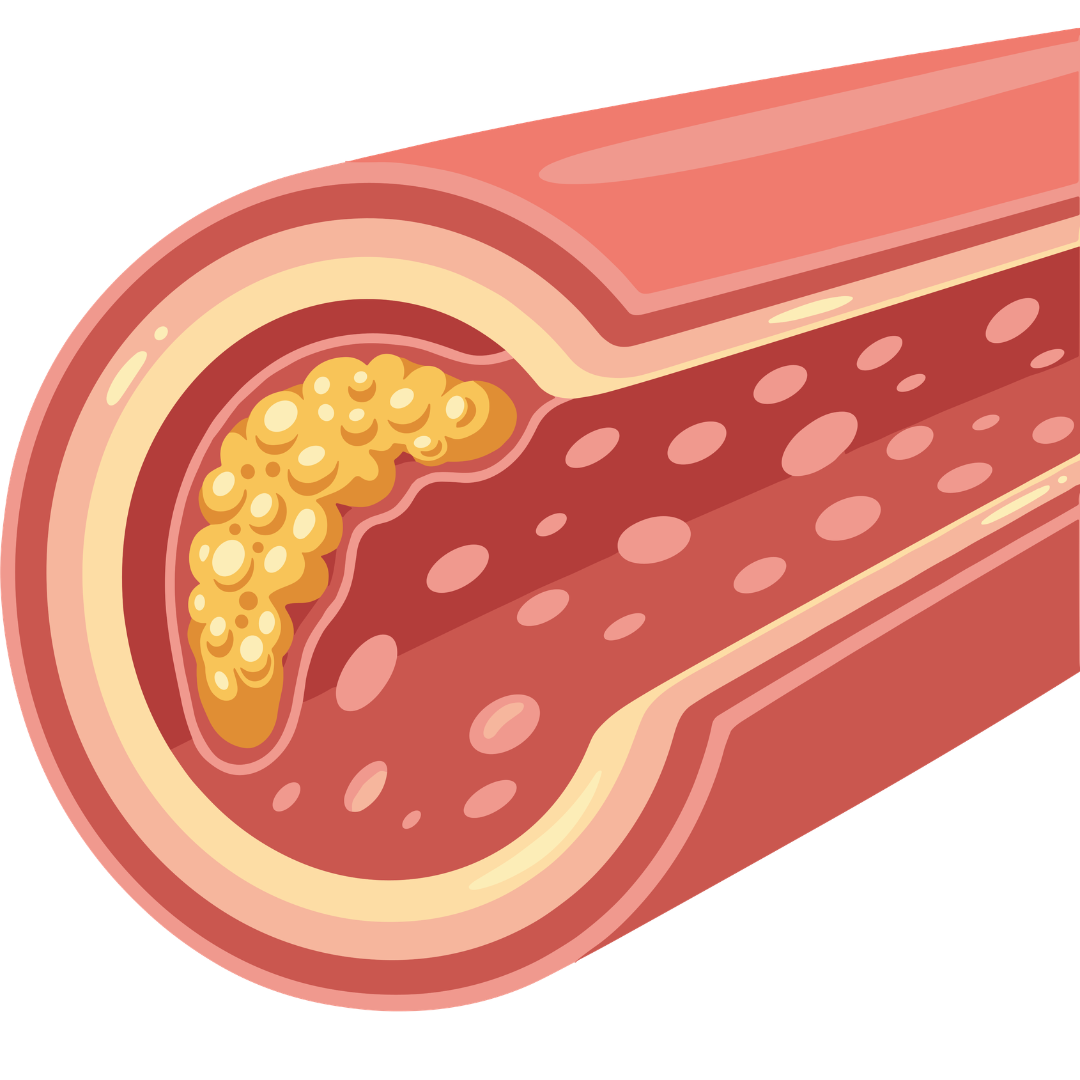

Cholesterol is often misunderstood. Many patients think it is entirely harmful, but in reality, cholesterol is essential for the body. It plays a role in hormone production, cell membrane structure, and vitamin synthesis.
The problem arises when cholesterol levels become imbalanced, particularly when “bad cholesterol” increases and begins to damage blood vessels.
Understanding cholesterol is crucial for preventing heart disease, stroke, and long-term vascular complications.
General Readers
Cholesterol travels in the blood in the form of lipoproteins. The two most commonly discussed types are:
• LDL (low-density lipoprotein) – often called “bad cholesterol”
• HDL (high-density lipoprotein) – known as “good cholesterol”
High LDL levels can lead to the buildup of fatty deposits in arteries, while HDL helps remove excess cholesterol from the bloodstream.
Most people do not feel any symptoms when cholesterol is high. It is usually detected through routine blood tests.
Common factors that raise cholesterol include:
• Diet rich in saturated and trans fats
• Lack of physical activity
• Obesity
• Smoking
• Genetic predisposition
Medical Students
Hyperlipidemia involves abnormalities in lipid metabolism, including elevated LDL, triglycerides, or reduced HDL.
Primary causes include genetic disorders such as familial hypercholesterolemia, while secondary causes include:
• Diabetes mellitus
• Hypothyroidism
• Nephrotic syndrome
• Sedentary lifestyle
The process of atherosclerosis begins with endothelial dysfunction, followed by lipid deposition and plaque formation.
Young Doctors
Clinical evaluation should include lipid profiling along with cardiovascular risk assessment. Management decisions are based not only on cholesterol levels but also on overall risk factors.
Initial evaluation includes:
• Lipid profile (LDL, HDL, triglycerides)
• Blood glucose
• Blood pressure
• Family history of cardiovascular disease
Lifestyle modification is the first step, followed by pharmacotherapy when indicated.
General Practitioners
In primary care, elevated cholesterol is often discovered incidentally. Patients are usually asymptomatic but may already have underlying vascular changes.
Counseling should focus on diet, physical activity, and weight management. Long-term compliance with treatment is essential to reduce cardiovascular risk.
Pathophysiology
High LDL cholesterol leads to accumulation of lipids within arterial walls. This process involves:
• Endothelial injury
• Oxidation of LDL particles
• Inflammatory response
• Formation of atherosclerotic plaques
Over time, these plaques narrow arteries and may rupture, leading to heart attack or stroke.
When to See the Doctor
Medical evaluation is recommended if:
• Routine tests show elevated cholesterol
• There is a family history of heart disease
• The individual has diabetes or hypertension
• There are other cardiovascular risk factors
Regular screening is essential even in the absence of symptoms.
Cholesterol imbalance is a silent but significant risk factor for cardiovascular disease. Early detection and proper management can prevent serious complications. Lifestyle changes combined with medical treatment when necessary provide the best outcomes.
Dos and Don’ts
Do
• Maintain a healthy diet low in saturated fats
• Exercise regularly
• Monitor cholesterol levels periodically
• Manage weight effectively
• Follow prescribed medications if needed
Don’t
• Ignore high cholesterol levels
• Consume excessive processed or fried foods
• Lead a sedentary lifestyle
• Stop medications without medical advice
• Assume absence of symptoms means no risk
FAQs
Is all cholesterol bad?
No, cholesterol is essential for the body; only excess harmful forms cause problems.
Can diet alone control cholesterol?
In many cases, yes, especially in early stages.
Is high cholesterol hereditary?
Yes, genetics can play a significant role.
Do thin people have high cholesterol?
Yes, cholesterol levels are not always related to body weight.
When should cholesterol be checked?
Regular screening is recommended, especially after adulthood or in high-risk individuals.


By Dr. Mohammed Tanweer Khan
A Proactive/Holistic Physician
Founder of WithinTheBody.com