Why Your Body Feels Different After 40: A Doctor’s Guide to Aging Gracefully


Introduction
Crossing the age of forty is not a decline—it is a transition. As physicians, we see a predictable pattern of physical, metabolic, and hormonal changes in almost every adult after this age. Some changes are subtle, some frustrating, and some confusing. But nearly all of them make perfect biological sense.
This article breaks down what truly happens inside your body after 40, why these changes occur, and how to respond to them wisely, not fearfully.
For General Readers
After 40, many people start noticing:
• Slower metabolism
• Unexpected weight gain
• Fatigue after meals
• Changes in sleep
• More aches and pains
• Reduced exercise stamina
• Mood fluctuations
• Difficulty losing weight despite “the same diet”
These changes do not mean anything is wrong. They simply mean your body is shifting gears. Your hormones, muscle mass, blood vessels, and brain chemistry enter a new phase—one that needs a slightly different lifestyle approach.
For Medical Students
From a physiological standpoint, post-40 aging involves:
• Decreased growth hormone and IGF-1 → reduced muscle protein synthesis
• Reduced sex hormones (testosterone, estrogen, progesterone) → metabolic slowdown
• Lower mitochondrial efficiency → decreased energy output
• Increased inflammatory markers → early osteoarthritis tendencies
• Reduced baroreceptor sensitivity → more orthostatic dizziness
• Changes in sleep architecture → less deep sleep, more awakenings
These mechanisms explain almost every clinical symptom middle-aged adults experience.
For Young Doctors
Adults in their 40s frequently present with vague symptoms such as:
• “Persistent tiredness”
• “Weight increasing without reason”
• “Sleep is not refreshing”
• “More gas, bloating, and acidity”
• “Can’t recover from exercise”
A good doctor recognizes that in most patients:
• These are physiological aging processes, not disease.
• Investigations should target red flags, not everything.
• Lifestyle modification is more effective than medication in >60% of cases.
Your aim should be reassurance, risk-factor assessment, and preventive guidance.
For General Practitioners (GPs)
By age 40, routine evaluation should include:
• Fasting glucose / HbA1c
• Lipid profile
• Thyroid function (TSH)
• Blood pressure trend
• Vitamin D levels (common deficiency)
• Weight, waist circumference
• Screening for depression/anxiety
• Sleep pattern assessment
This age marks the beginning of predictable metabolic drift, and early intervention can prevent later chronic disease.
Pathophysiology: What’s Really Changing?
1. Metabolism Slows Down
Resting metabolic rate drops by 1–2% every decade after 30.
Why?
• Loss of muscle mass
• Hormone decline
• Reduced mitochondrial efficiency
A diet that once maintained weight may now cause gradual gain.
2. Muscle Mass Decreases (Sarcopenia)
Aging decreases anabolic hormones and protein synthesis.
By 40, you lose up to 1% muscle per year unless you actively resist it through strength training.
Muscle is your body’s metabolic engine—less muscle means more fat accumulation.
3. Hormonal Shifts Begin
For men:
• Gradual testosterone decline starts around 35–40
For women:
• Estrogen and progesterone become erratic, leading to perimenopause
These shifts affect appetite, sleep, emotions, temperature regulation, and weight.
4. Sleep Architecture Changes
Deep (slow-wave) sleep reduces.
Adults over 40 wake more frequently and feel less refreshed.
Poor sleep → high cortisol → weight gain + mood issues.
5. Joints and Connective Tissues Weaken
Collagen production slows.
Cartilage thins.
Tendons and ligaments lose elasticity.
You feel stiffness after:
• waking up
• sitting long
• mild exertion
6. Digestive System Slows
Common findings after 40:
• Bloating
• Gas
• Constipation
• Slower gastric emptying
Reduced stomach acid also impairs nutrient absorption.
7. Mental & Emotional Changes
Neurotransmitters shift subtly.
Many experience:
• Anxiety
• Emotional sensitivity
• Difficulty focusing
• “Brain fog”
These are normal adaptations—not pathology.
When to See the Doctor
You should seek medical advice if you notice:
• Sudden or unexplained weight loss
• Night sweats
• New persistent headaches
• Chest pain or breathlessness
• Severe fatigue unrelieved by rest
• New or worsening dizziness
• Rapid heart rate at rest
• Depression lasting >2 weeks
• Frequent urination + increased thirst
These may indicate underlying disease, not normal aging.
Turning 40 is not the beginning of decline—it is the beginning of awareness.
Your body becomes more honest, more transparent, and more responsive to lifestyle choices. Small positive changes now deliver big long-term benefits.
Aging gracefully is not luck; it is strategy. And the earlier you understand your body’s biological transitions, the more empowered and healthier you will remain for decades.
Dos and Don’ts
DO
• Do strength training 3 times a week
• Do prioritize protein (1–1.2 g/kg/day)
• Do sleep 7–8 hours
• Do maintain a healthy weight
• Do get annual blood tests
• Do monitor blood pressure
• Do hydrate properly
• Do take omega-3 and vitamin D if deficient
DON’T
• Don’t ignore persistent fatigue
• Don’t skip regular exercise
• Don’t rely on crash diets
• Don’t overuse painkillers
• Don’t ignore mental health
• Don’t compare yourself to your 20s body
• Don’t assume symptoms are “normal aging” without evaluation
FAQs
1. Is weight gain after 40 inevitable?
No. It is preventable with muscle training and mindful eating.
2. Why does recovery from exercise feel slower?
Because repair hormones decline and inflammation increases slightly with age.
3. Do men and women age differently after 40?
Yes. Hormonal dips occur earlier and faster in women due to perimenopause.
4. Does metabolism slow dramatically after 40?
It slows gradually—not abruptly—but lifestyle habits accelerate or slow the process.
5. How can I feel energetic again after 40?
Improve sleep, increase protein, reduce sugars, stay hydrated, and build muscle mass.

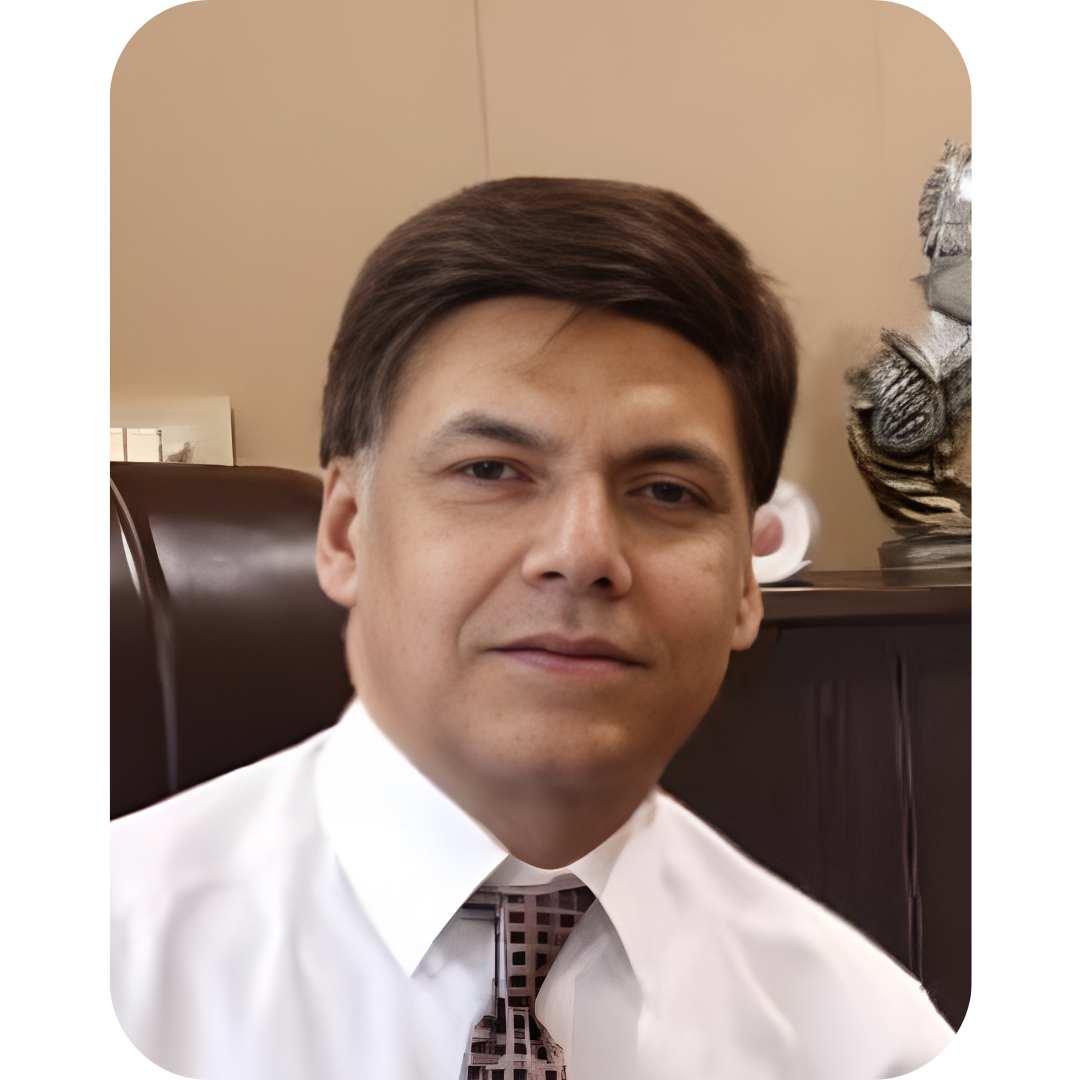
By Dr. Mohammed Tanweer Khan
A Proactive/Holistic Physician
Founder of WithinTheBody.com